The Bio-Science Group of BARC comprises of five Divisions and two Sections each having distinct mandates.
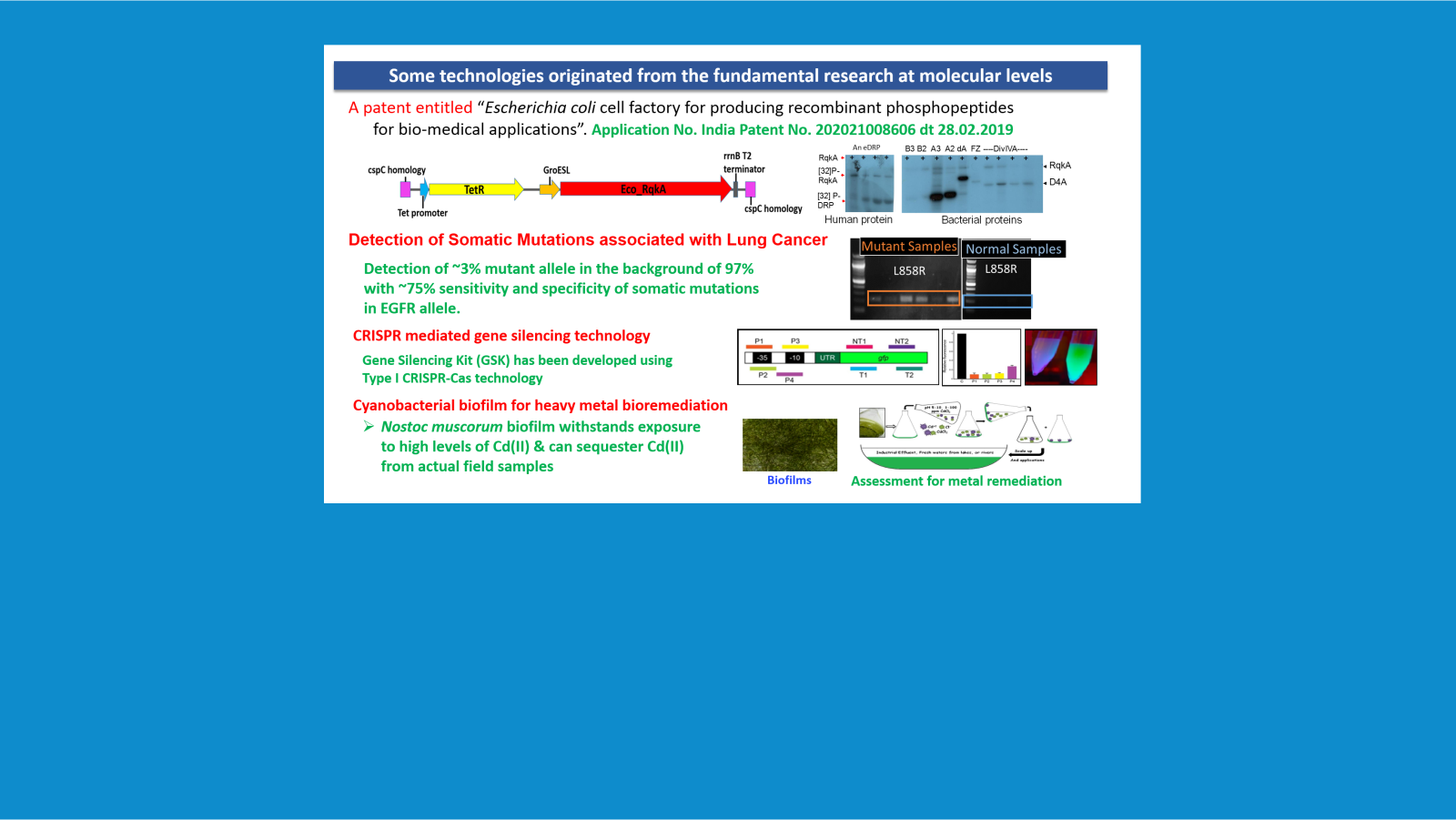
■ Applied Genomics Section focuses on development of computational tools to advance disease diagnostics and genomic research, development of novel diagnostic methods using CRISPR and cell biological approaches, detection of somatic mutations in Indian lung cancer patients through liquid biopsy and in-house development of bioinformatics pipelines for efficient analysis and interpretation of large-scale next-generation sequencing data.
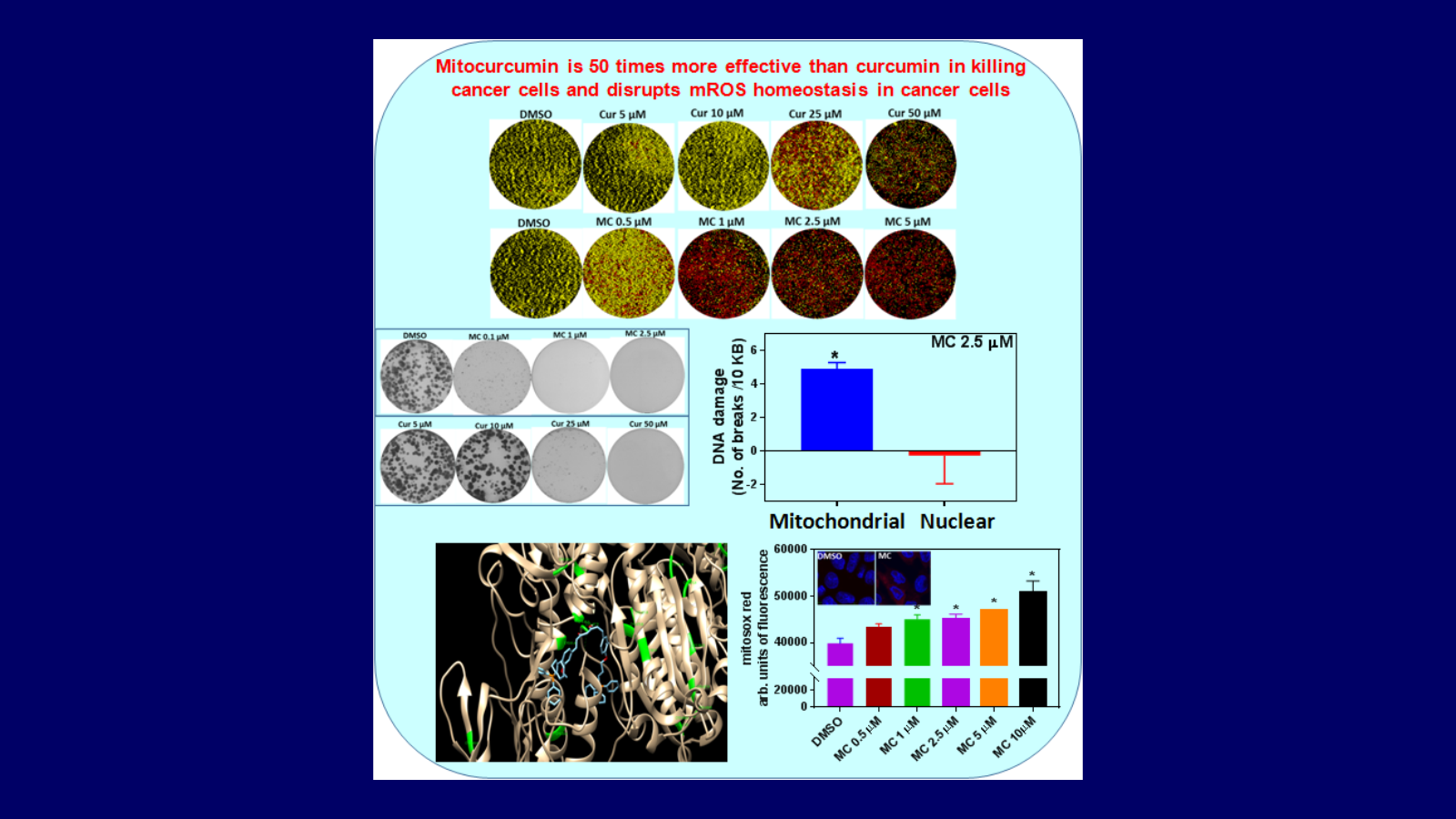
■ Bio-Organic Division is involved in focussed basic and applied research in bio-organic chemistry and biology of contemporary relevance. Directed research is oriented towards cancer targeting agents (radio-sensitizers, chemotherapeutic agents, phytomedicines and nuclear medicines) and other diseases (microbial infection and cardiovascular pathogenesis) in various in vitro and in-vivo models and exploratory organic materials research for application in nuclear fuel cycle and societal benefits.
■ Food Technology Division is involved in developing applications of radiation technology for improving food security, food safety and promote international trade of agricultural commodities. It is also engaged in R&D activities pertaining to food science & technology for better understanding of the mechanisms of effect of gamma radiation on food components. Recently, the division is focussing on developing the technologies/processesfor treatment of fruits & vegetables for shelf life extension as well as export.Similarly it has widened the scope of research to develop novel packaging materials, development of novel functional foods and rapid methods for detection of food borne pathogens.
■ Molecular Biology Division is engaged in understanding the cellular and molecular basis of stress response in bacteria, plants and animals. The major emphasis has been on understanding the extraordinary resistance to DNA damage and oxidative stress tolerance in bacteria, and epigenetic regulation of alternate splicing in plants and mammalian cells. MBD employs CRISPR-Cas mediated genome editing technologies in both basic and applied research and is engaged in the development of gene technologies and products for bio-medical applications.
■ Nuclear Agriculture & Biotechnology Division is engaged in improving and developing elite crop varieties through mutation breeding and tissue culture techniques. It is also involved in developing molecular markers, bioreactors, transgenics, biological control for pests and pathogens, biosensors, fertilizer formulations with improved nutrient use efficiency and Nisargruna biogas technology for agricultural and slaughterhouse waste biodegradation.
■ Protein Crystallography Section focuses on elucidating the 3D structures and functions of biological macromolecules using X-ray crystallography, biophysical methods and computational tools. It aims to advance therapeutic and biotechnological applications through structural studies of cancer and viral proteins, enzyme engineering for plastic degradation and inhibitor design targeting gut microbial enzymes.
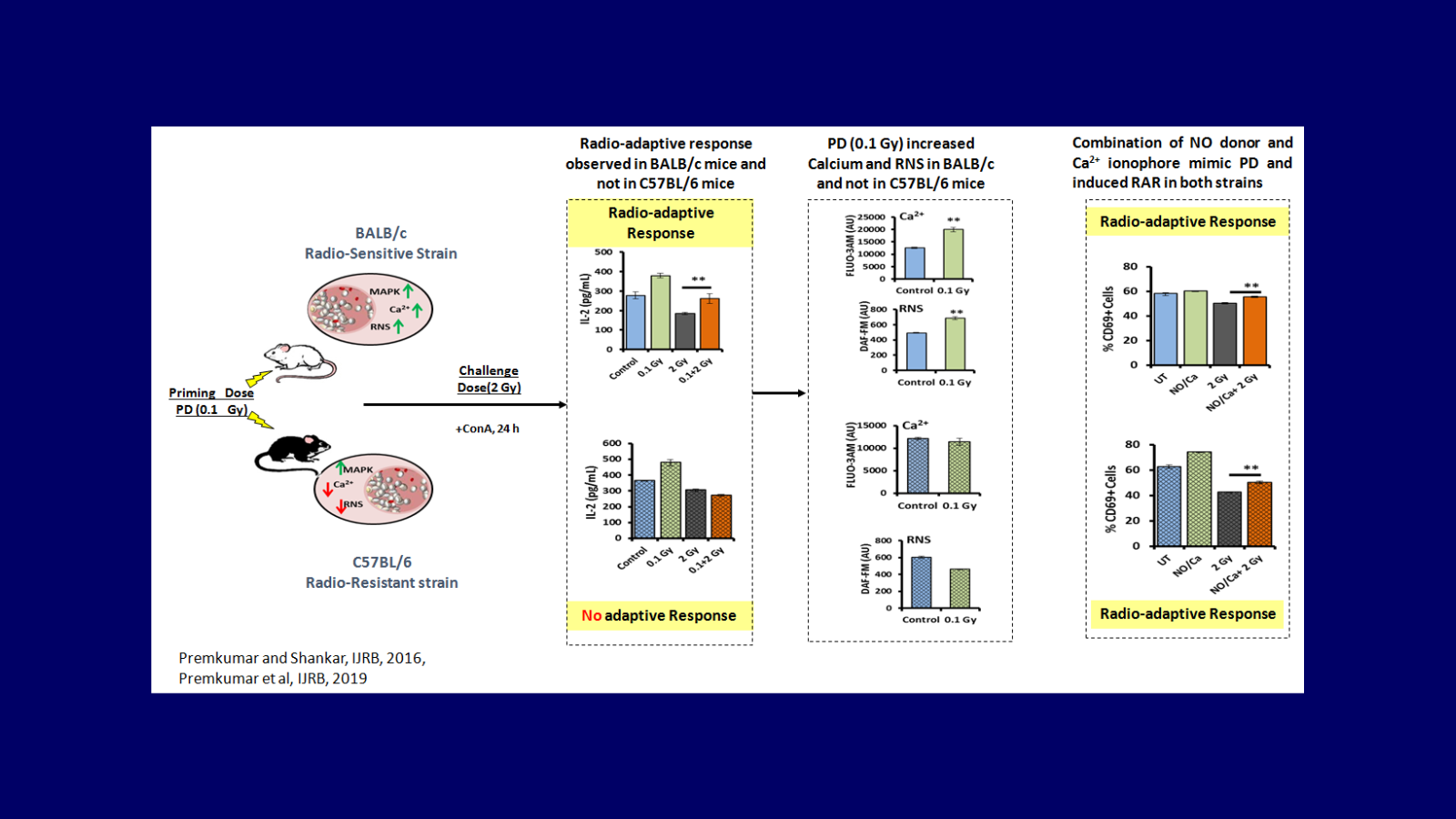
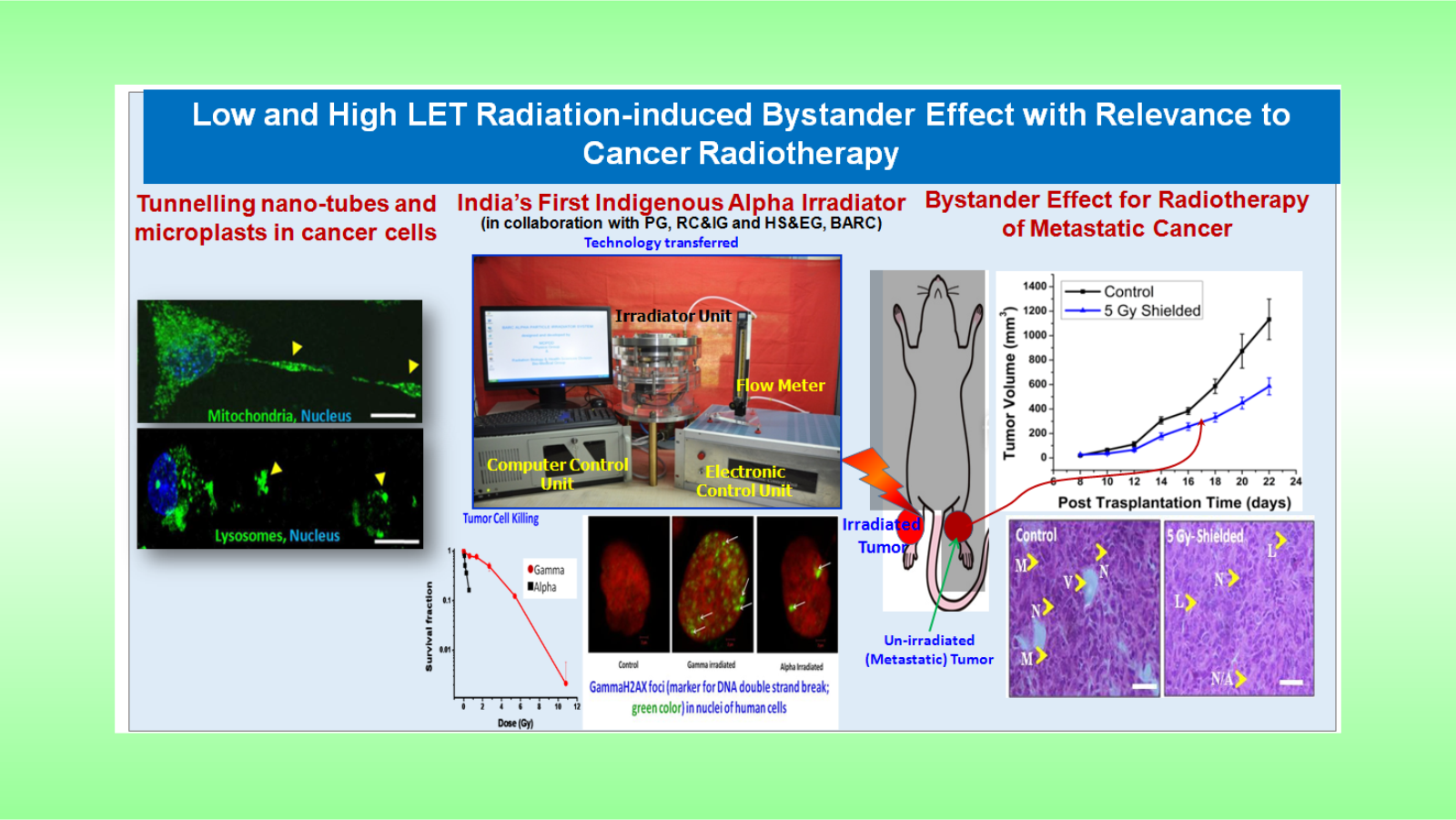
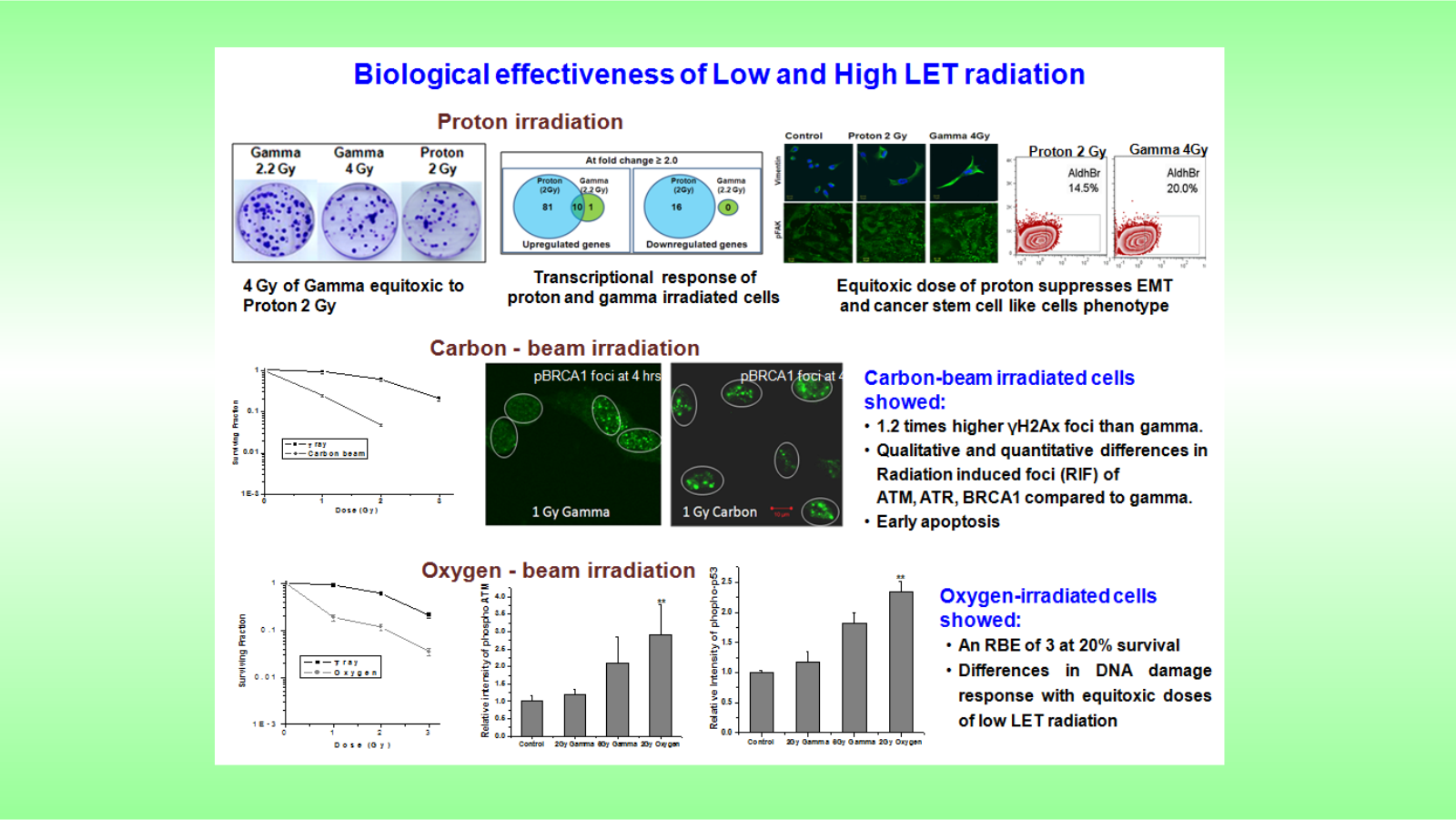
■ Radiation Biology and Health Sciences Division: The focus of research is in the frontier areas of radiation biology for understanding the effect of low- and high LET radiations, chronic and acute radiation exposure, high background radiation, and radionuclide exposure on mammalian cells, cancer cells, experimental rodents and human health. Preclinical and translational research is aimed at development of new drugs and therapeutics for prevention and mitigation of radiation injury, de-corporation of heavy metals and treatment of inflammatory disorders and cancers. We are also studying macromolecular structures and protein-ligand interactions using biophysical techniques like X-ray crystallography, neutron-scattering, circular dichroism and synchrotron radiation, with an aim for ab initio design of therapeutic molecules.
Gamma ray induced dwarf banana mutant variety (in vitro mutagenesis derived). Developedl in collaboration with ICAR-National Research Centre for Banana, Trichy, Tamil Nadu. It is a mutant of the Grand Naine variety, characterized by its short stature (around \\(150-160\\) cm), making it suitable for high-density planting and terrace gardening. The variety is also resilient to adverse weather conditions like heavy rains and cyclones, and its sturdiness means it does not require staking.
Early and synchronized flowering, stay green type, white lustrous, round and bold seeds with good roti making quality, early maturing, suitable for deep black soils, developed in collaboration with University of Agricultural Sciences, Raichur
Molecular Crosstalks in Radioresistance in Cancer Cells and Microbes
Deciphering Abiotic Stress Tolerance in Photosynthetic Organisms
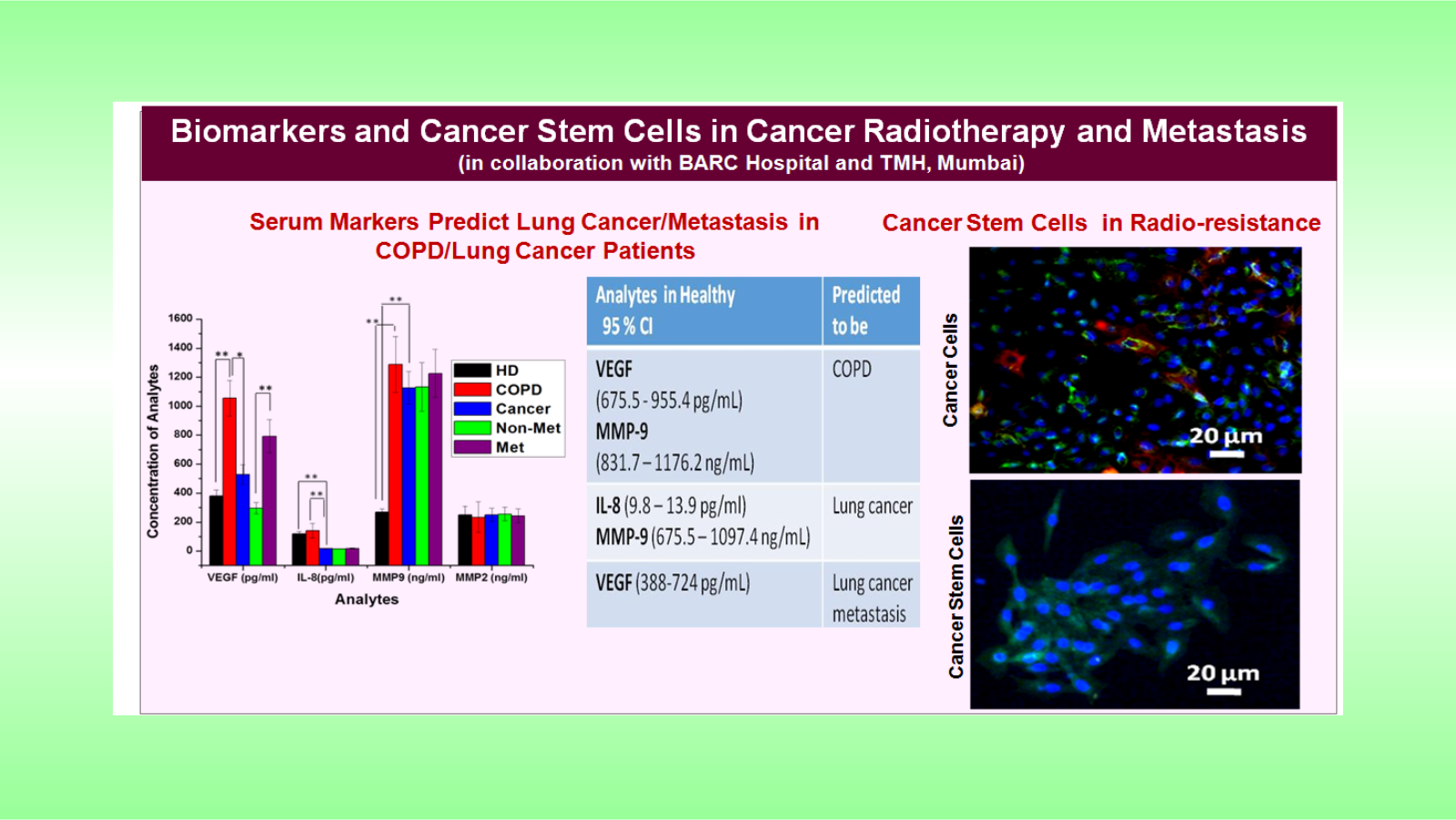
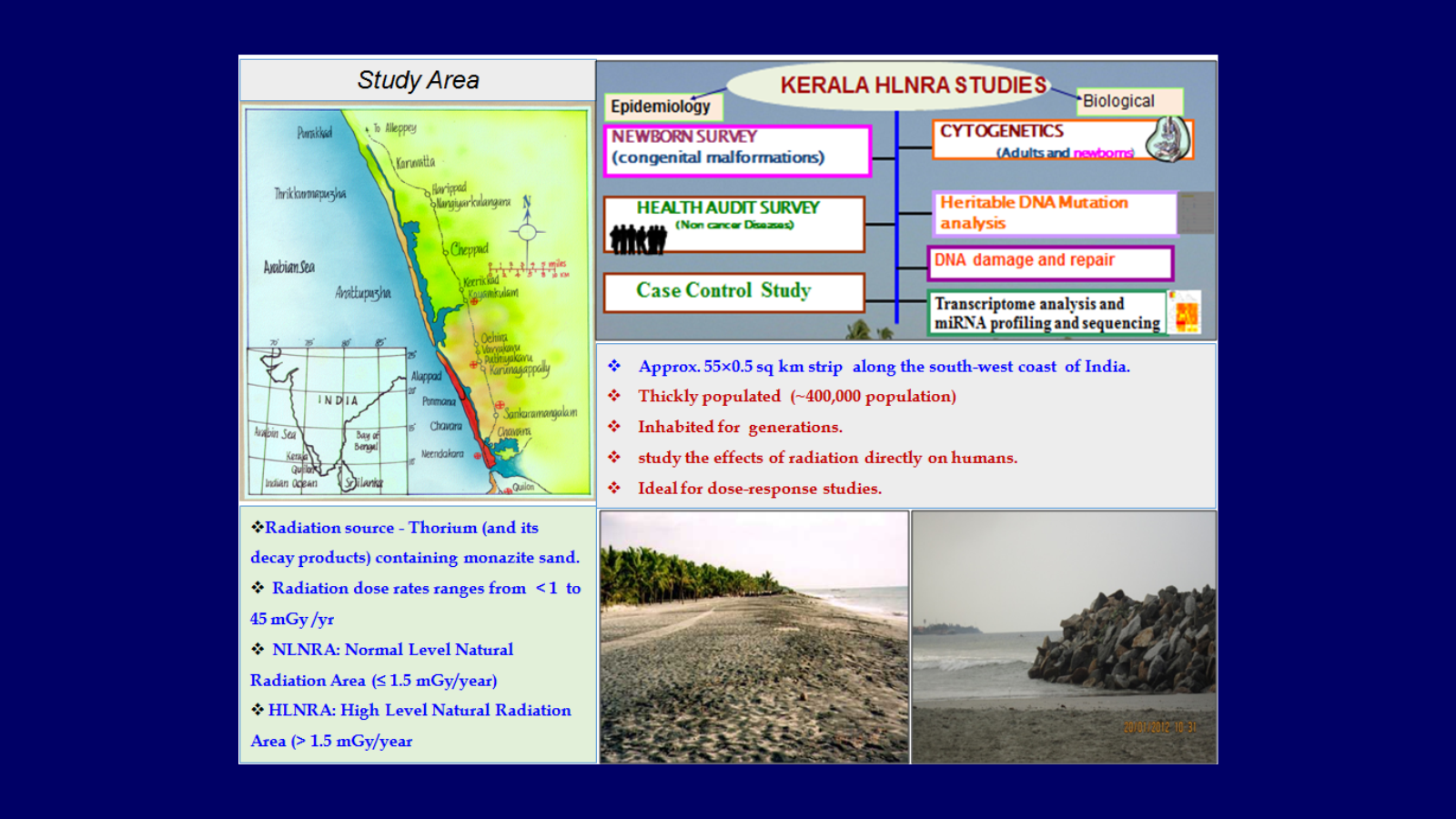
Radiobiology Research with Relevance to Cancer Radiotherapy, Risk Assessment and Management of Thorium/Uranium Exposure
Studies on tumor-immune interactions in the microenvironment and
strategies for immunotherapy sensitization
Targeting DNA damage and Repair in Cancers
Programmed cell death in plant pathogen Xanthomonas and xanthan gum production
Ultra-deep (10,000X) Next-Generation Sequencing (NGS) analysis of cfDNA
Targeting key SARS-CoV-2 proteins: search for effective inhibitors
Shelf life extension of whole fish using radiation processing
Trombay Konkan Khara (TKK): Semi-dwarf, non-lodging, salt tolerant, long slender grain type, average grain yield of 3.5 to 4.0 t/ha under saline conditions, good milling% (64.46 %) and head rice recovery (62.56 %), developed in collaboration with Dr. Balasaheb Sawant Konkan Krishi Vidyapeeth, Dapoli
Chhattisgarh Trombay Luchai Mutant (CTLM): Dwarf stature (Lodging resistant), early maturing, high yielding ability (~45-50 q/ha), soft-cooked rice (tenderness), developed in collaboration with IGKVV, Raipur
Sanjeevani rice: Immune boosting and cancer suppressive properties in its brown rice, high yield potential of 35 q/ha, medium slender grain type, tolerant to major pest and diseases, developed in collaboration with IGKVV, Raipur
Trombay Jodhpur Wheat (TJW) 153: High yield, heat tolerant, Resistant to stem and leaf rust, powdery mildew, karnal bunt, flag smut, & loose smut diseases, better chapatti making quality, zinc (39.9 ppm) & (40.8 ppm), developed in collaboration with Agriculture University, Jodhpur
Trombay Raj Vijay Wheat (TRVW) 155: High yield, good chapatti making quality, multiple disease resistance (Stripe, Leaf and stem rust, wheat blast, Karnal bunt, lose smut, & powdery mildew), developed in collaboration with Rajmata Vijayaraje Scindia Krishi Vishwa Vidyalaya, Gwalior
Chhattisgarh Trombay Mungfali (TG 88): High yielding, medium large seed, suitable for kharif and summer, developed in collaboration with IGKVV, Raipur
Trombay Jodhpur Mustard 2 (TJM 2): High yielding (23.33 q/ha) and Large seed (5.37 g/1000 seed), resistant to powdery mildew, developed in collaboration with Agriculture University, Jodhpur
White seeded, high yielding (700-800 kg/ha), bold seed size (3.5-4g TSW ), developed in collaboration with Vasantrao Naik Marathwada Krishi Vidyapeeth, Latur
Studies on Biodegradation of TBP by Sphingobium sp RSMS
Shelf life extension and safety assurance of sprouts & Sweet corn
Application of CRISPR Technology in Basic Research
Biochemical characterization of variant derivatives of human Translin, a protein
associated with DNA repair and certain cancers
Basic R&D in food microbiology for control of food borne pathogens
Structural biology of therapeutically and biotechnologically important proteins
Development of health promoting food with wide applications
Shelf life extension of Agri-produce like onions and potatoes using combination treatment including gamma radiation
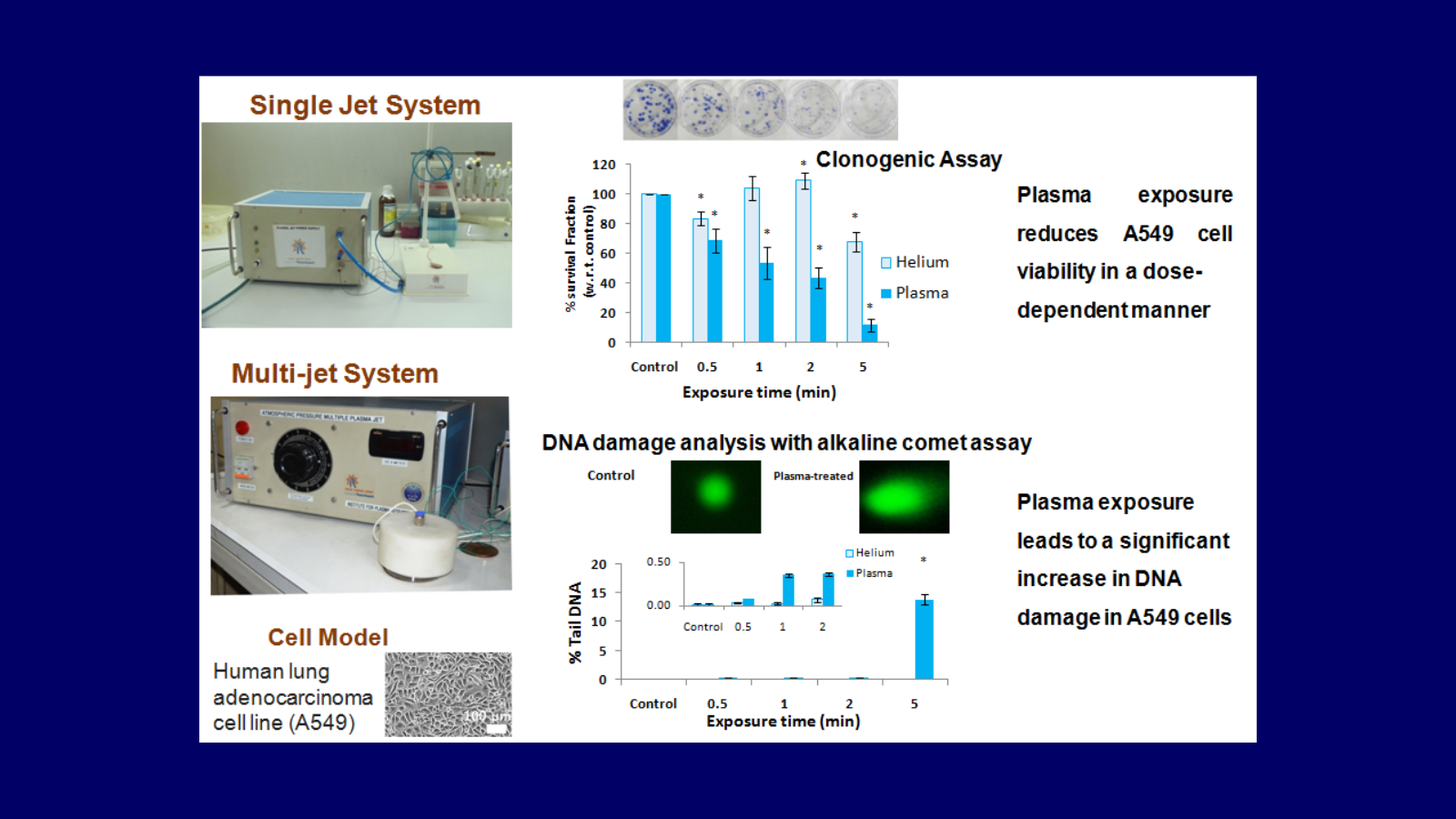
In collaboration with Institute for Plasma Research (IPR), Gandhinagar
In collaboration with BARC Hospital and TMH, Mumbai
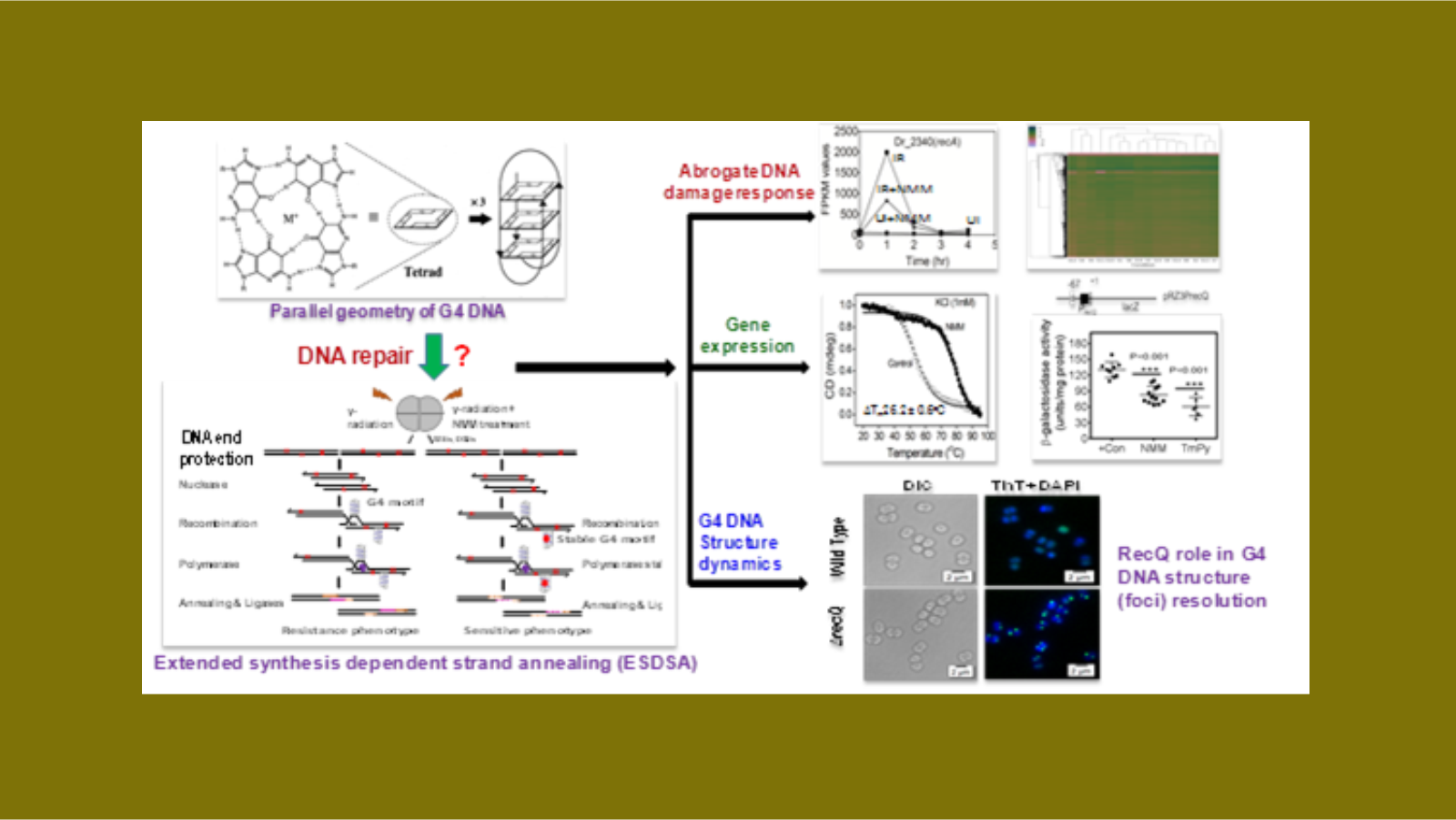
The guanine quadruplex (G4) DNA structure dynamics and its involvement in the gamma radiation responsive gene expression and radioresistance in Deinococcus radiodurans have been elucidated.
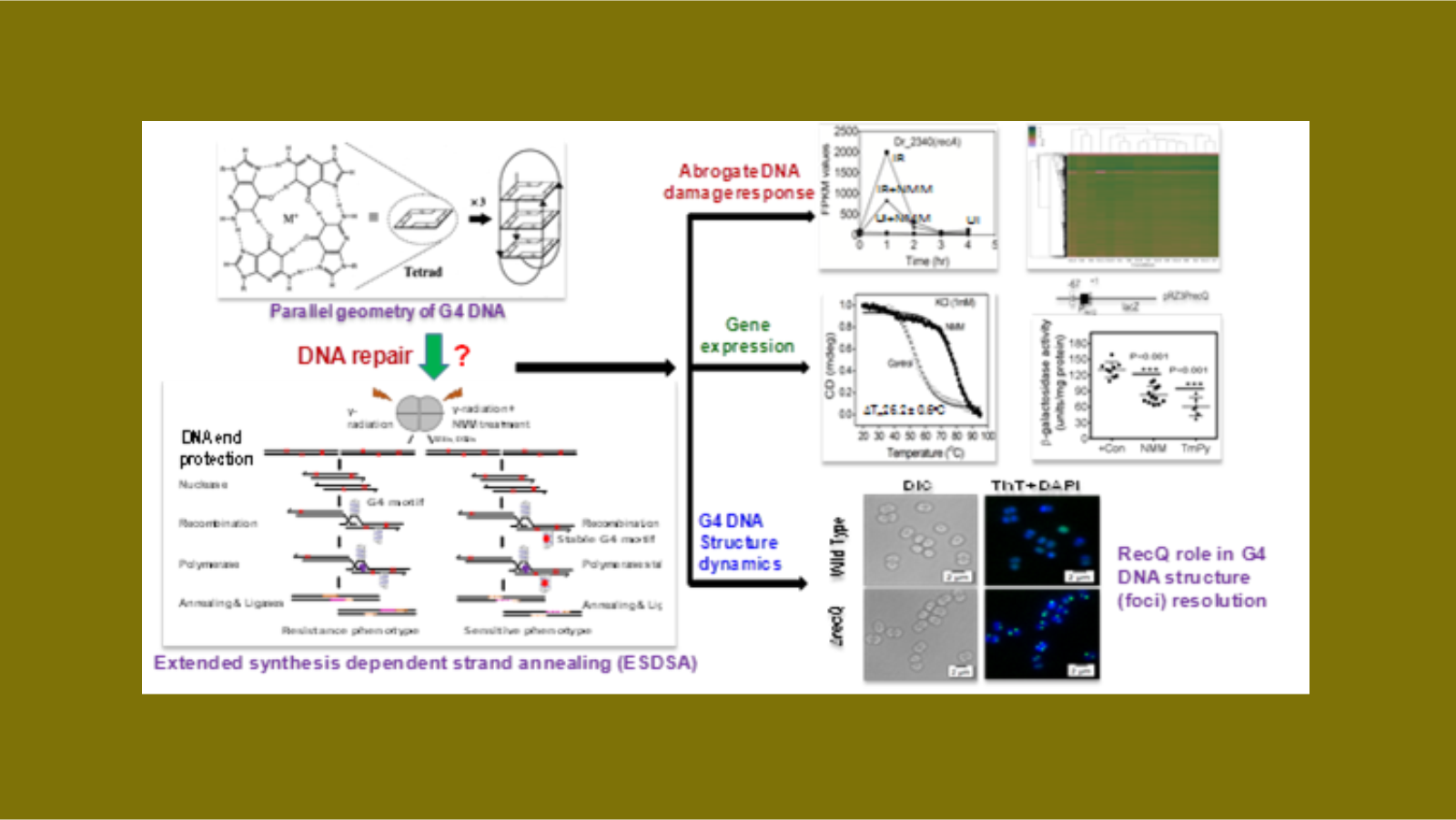
The guanine quadruplex (G4) DNA structure dynamics and its involvement in the gamma radiation responsive gene expression and radioresistance in Deinococcus radiodurans have been elucidated.
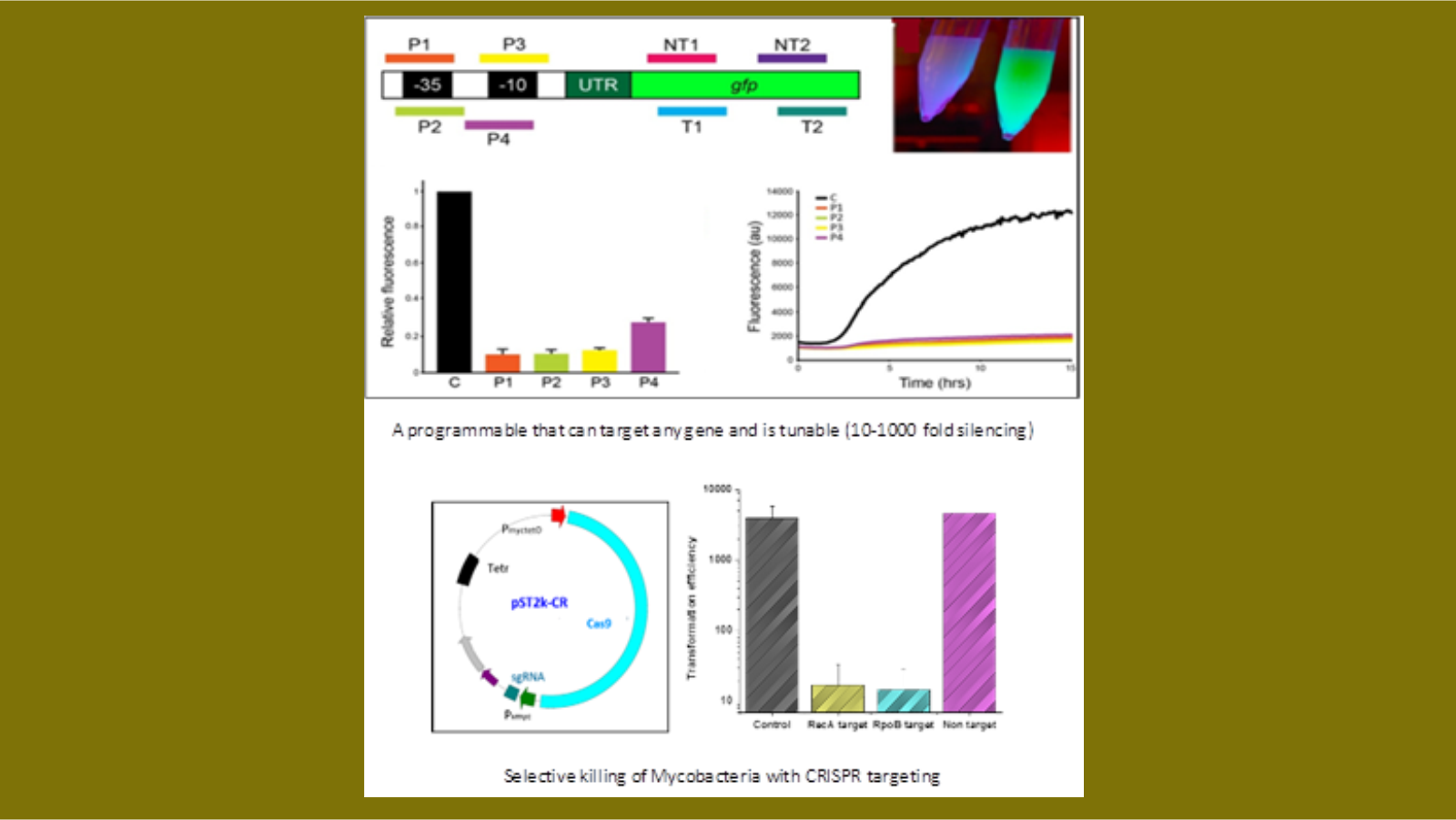
CRISPR based vectors with improved features of genome editing have been developed, and gene knockout constructs for mouse and gene silencing technologies in bacteria have been developed
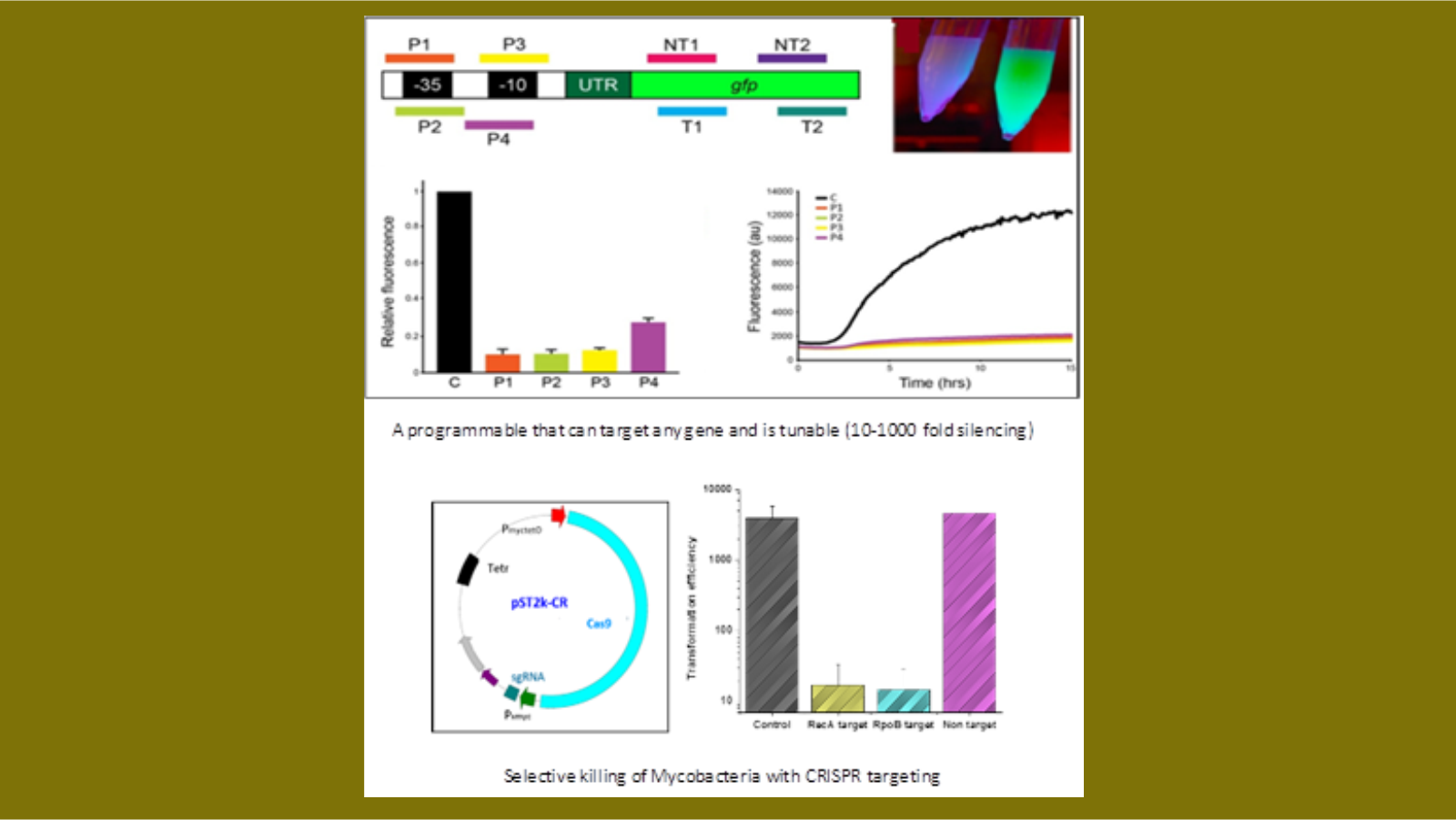
CRISPR based vectors with improved features of genome editing have been developed, and gene knockout constructs for mouse and gene silencing technologies in bacteria have been developed
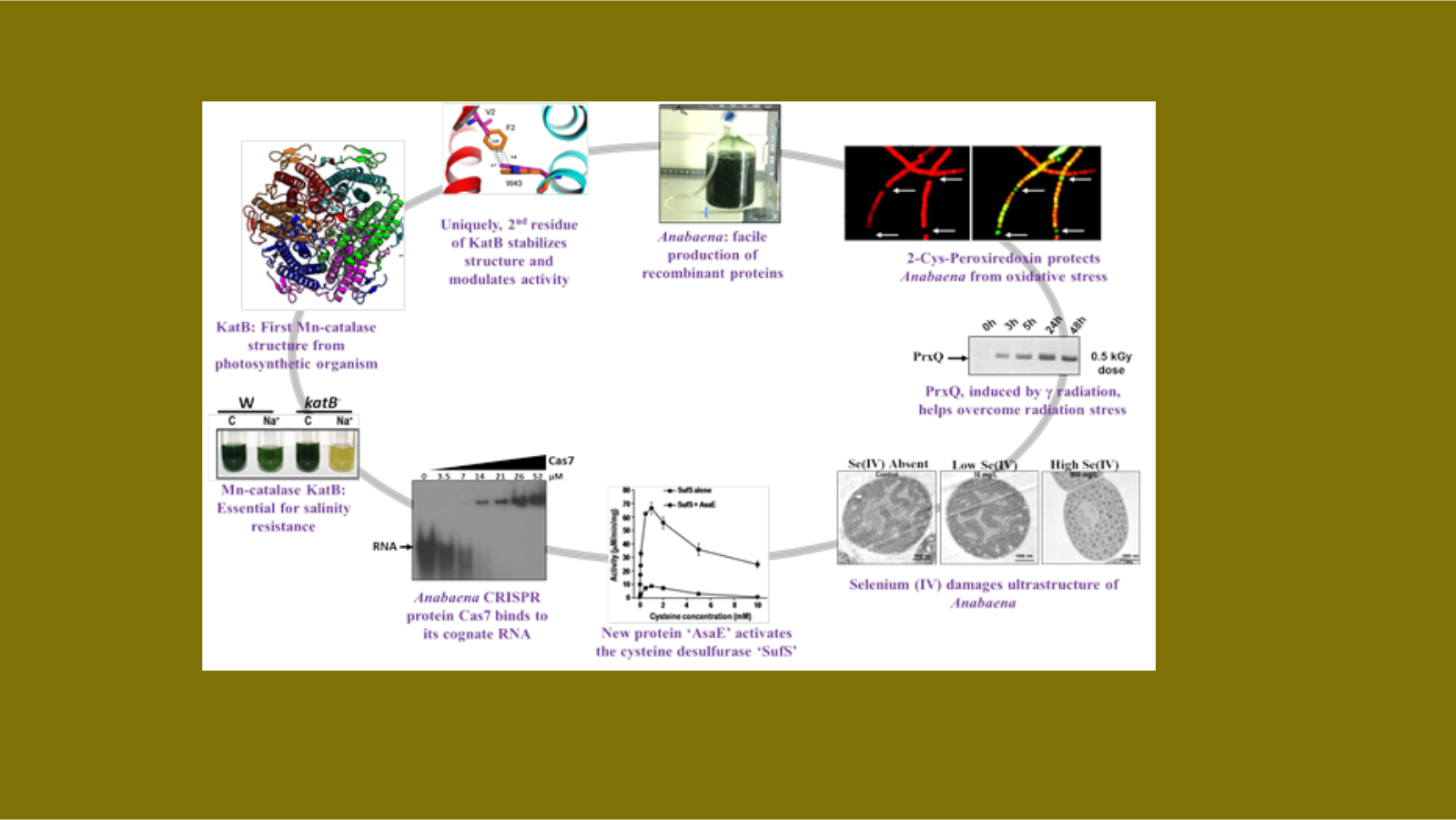
A thermostable Mn catalase (Kat B) of a cyanobacterium, Anabeana PCC7120 has been functionally characterized and its usefulness for the detoxification of H2O2 in textile industries is under evaluation.
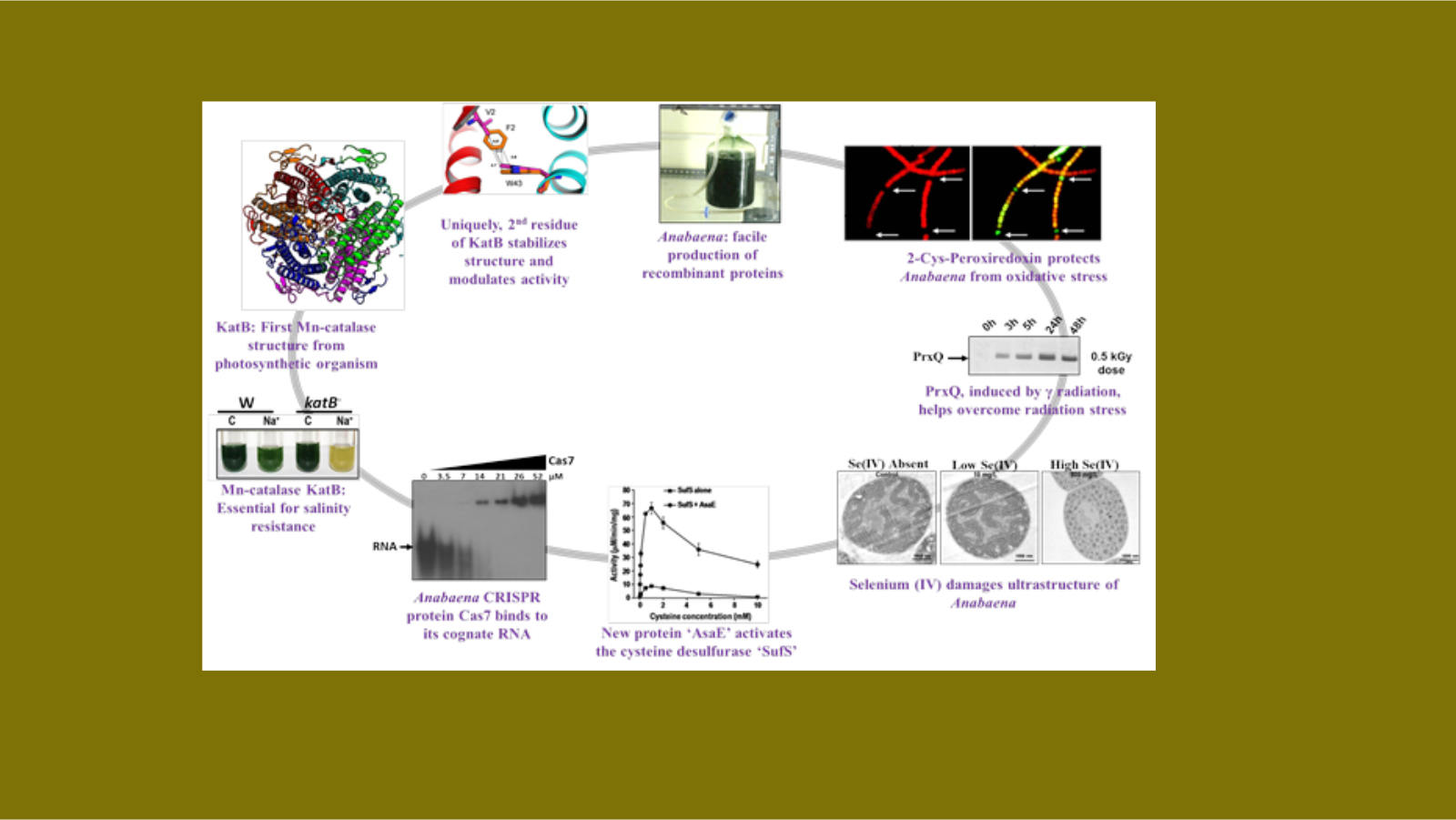
A thermostable Mn catalase (Kat B) of a cyanobacterium, Anabeana PCC7120 has been functionally characterized and its usefulness for the detoxification of H2O2 in textile industries is under evaluation.
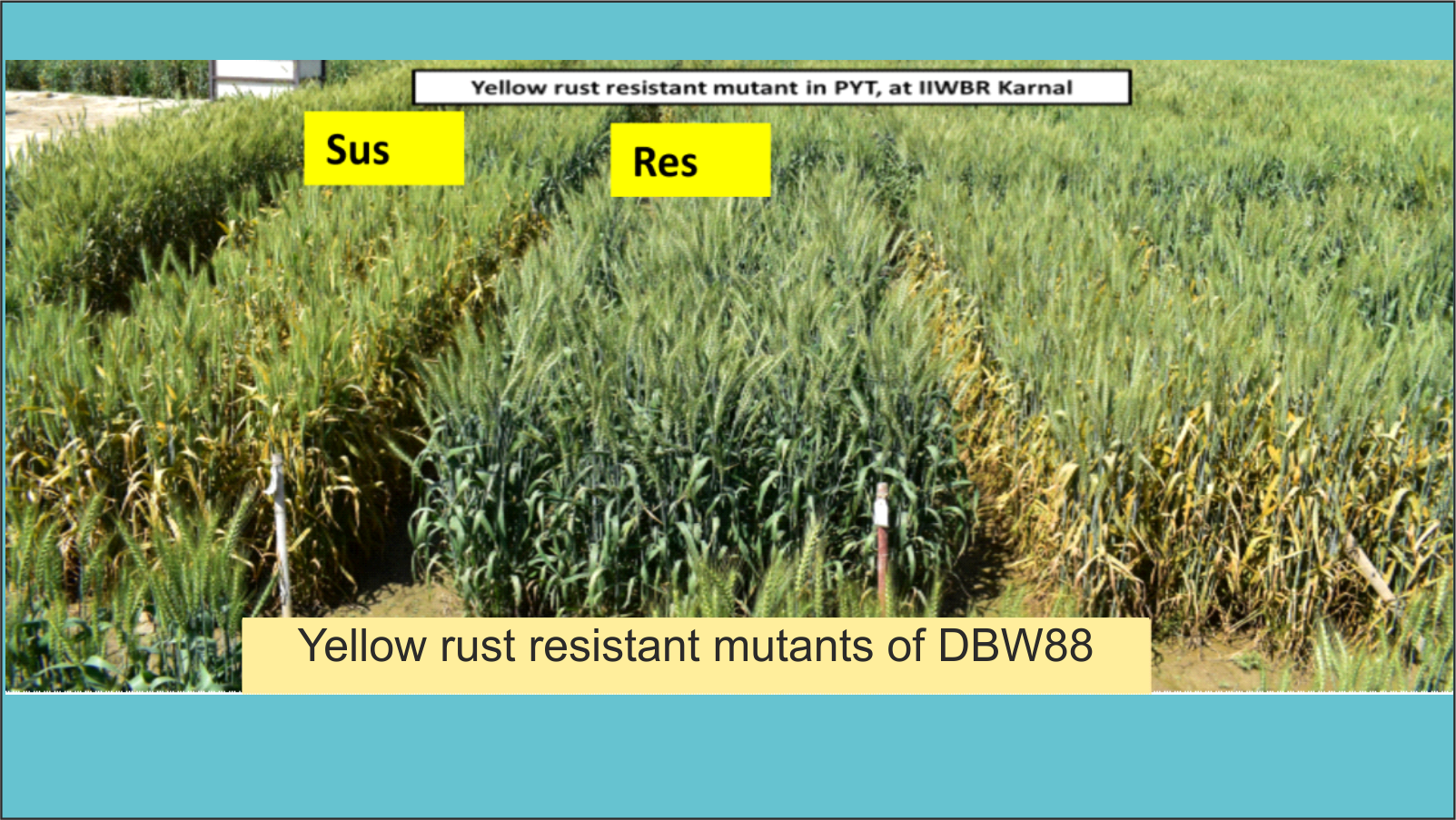
Yellow Rust Resistant Mutant lines have been developed in Indian Wheat using DBW88 as parent and are currently in preliminary yield trial at IIWBR, Karnal
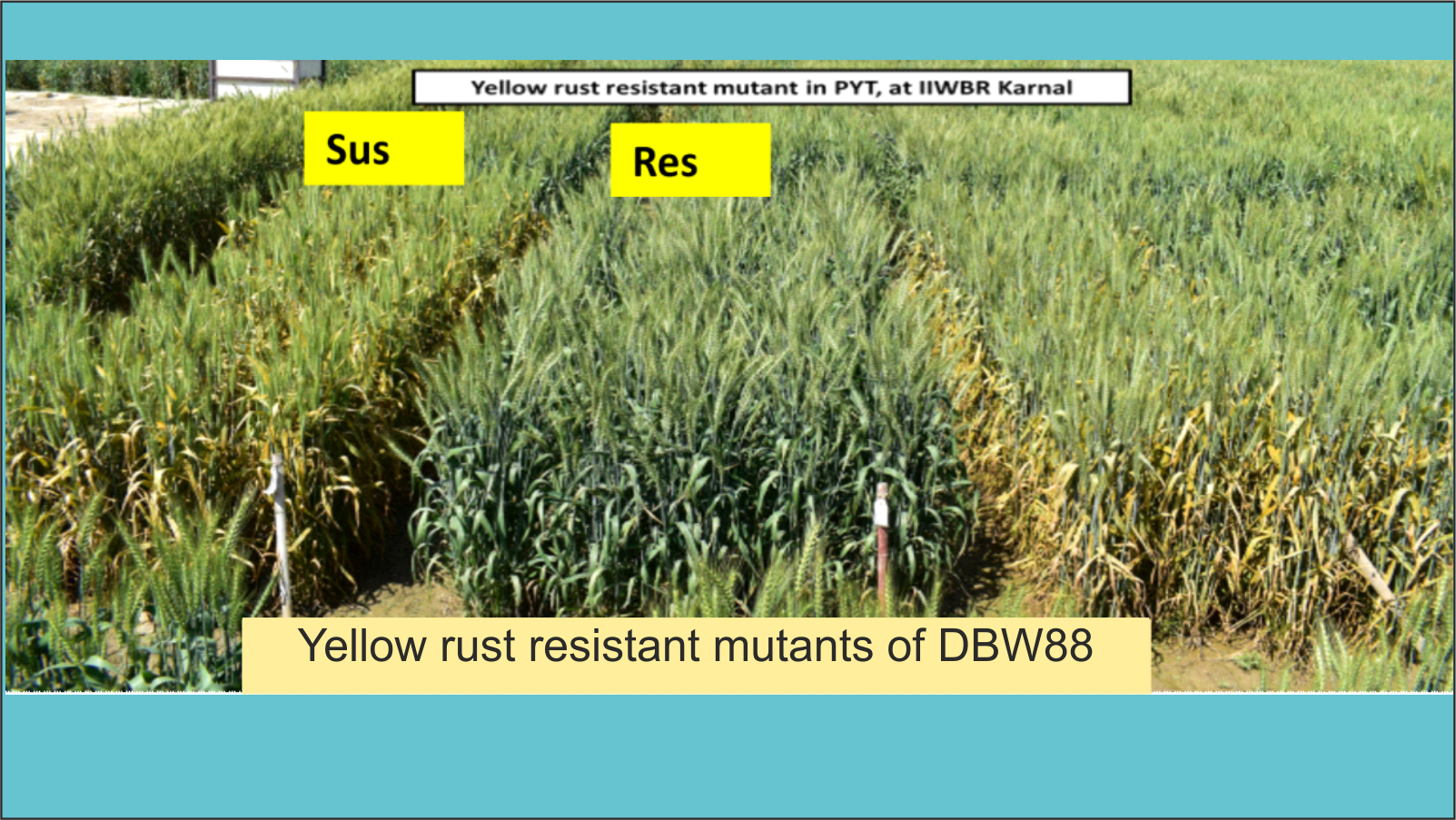
Yellow Rust Resistant Mutant lines have been developed in Indian Wheat using DBW88 as parent and are currently in preliminary yield trial at IIWBR, Karnal

PCS: Cancer Biology: diganostics, inhibitors and drug adjuvants

PCS: Plastic degrading enzymes: green alternative to plastic recycling

AGS: Exploring potential of cfDNA in lung cancer prognosis

AGS: Development of CRISPR-Cas based Technologies

BOD:Organo-Fluorophores for Chemo/Bio-sensing
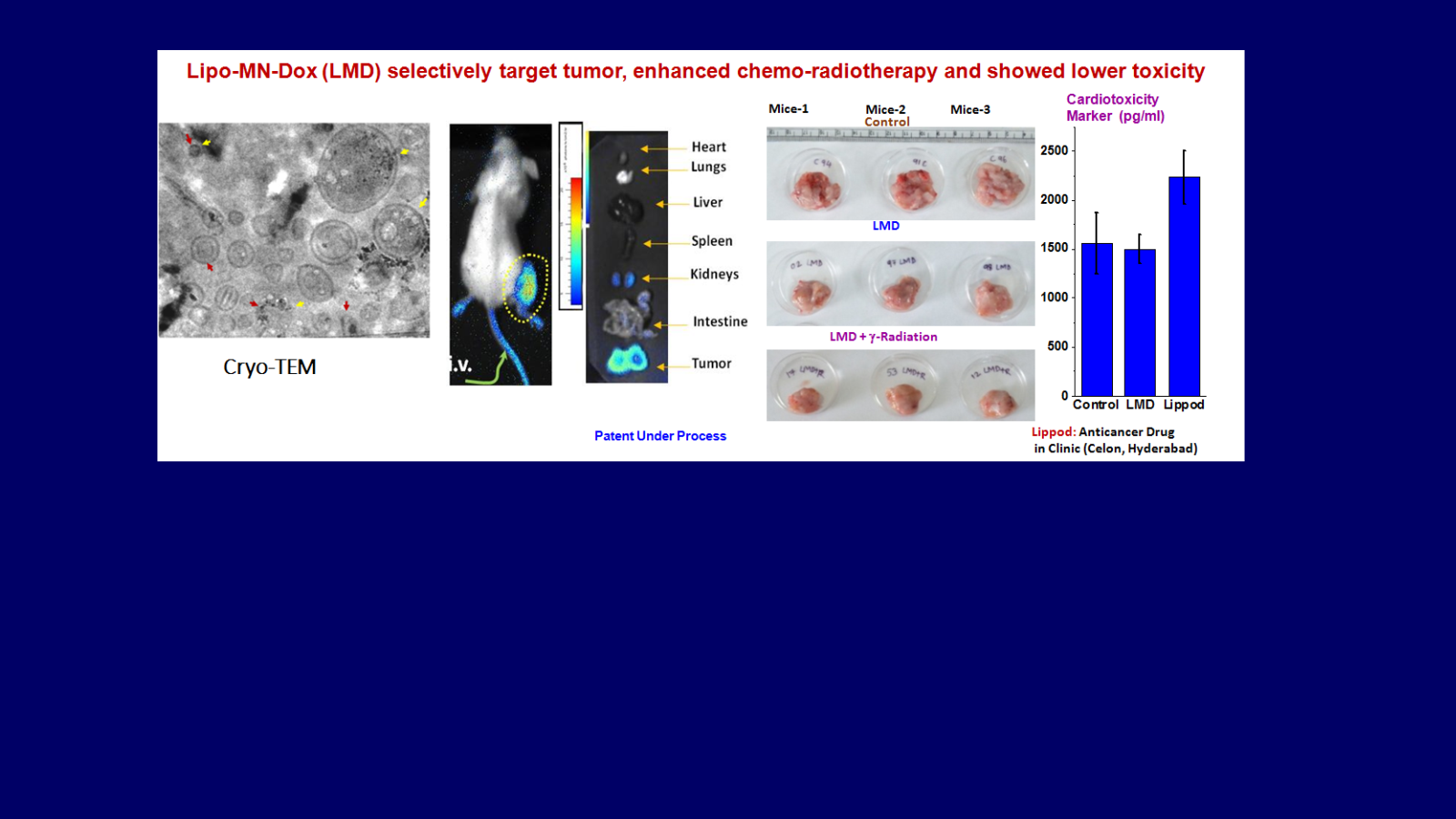
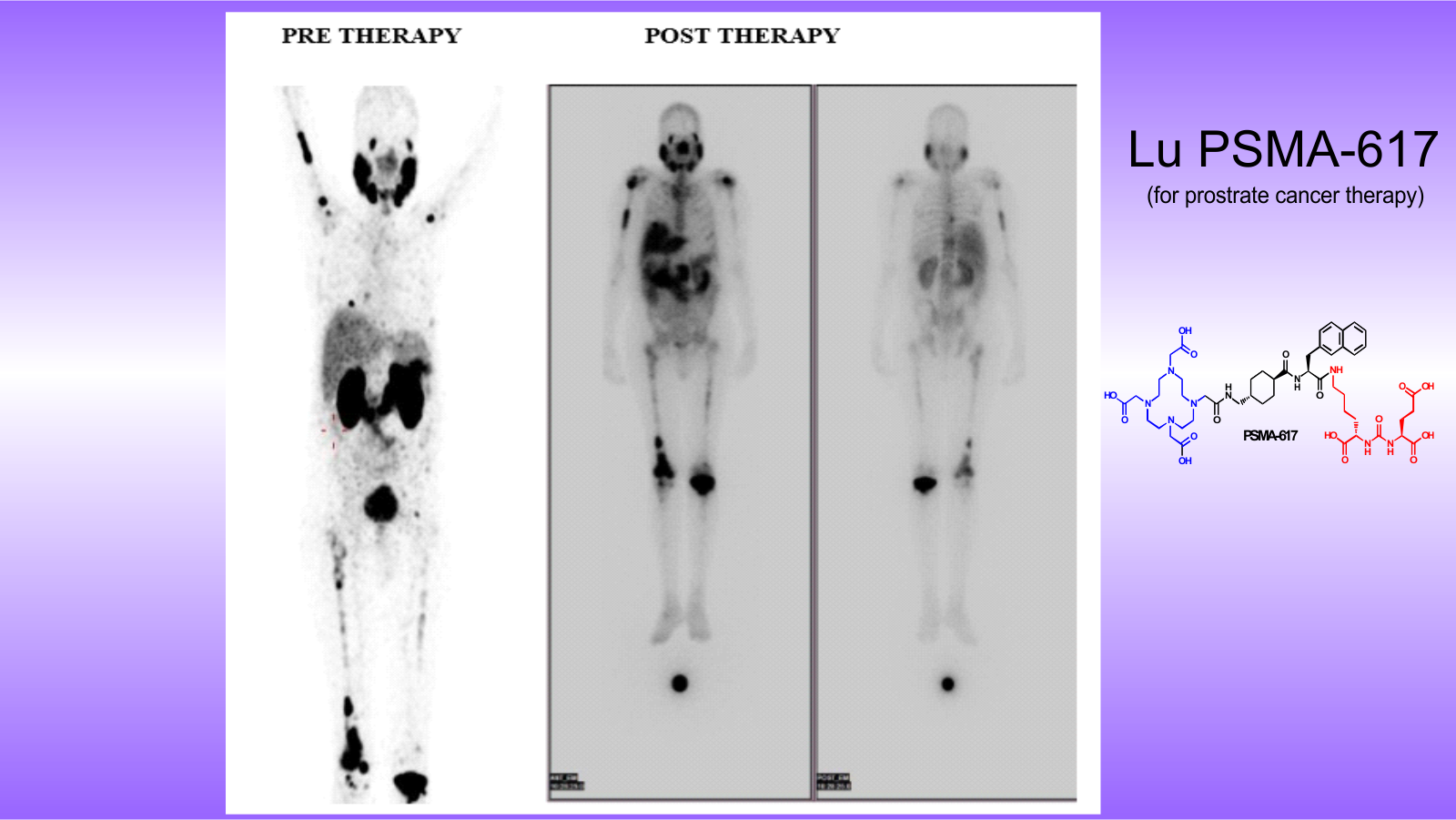
RBHSD: Novel Therapeutics for Management of Radiation Injury & Cancer
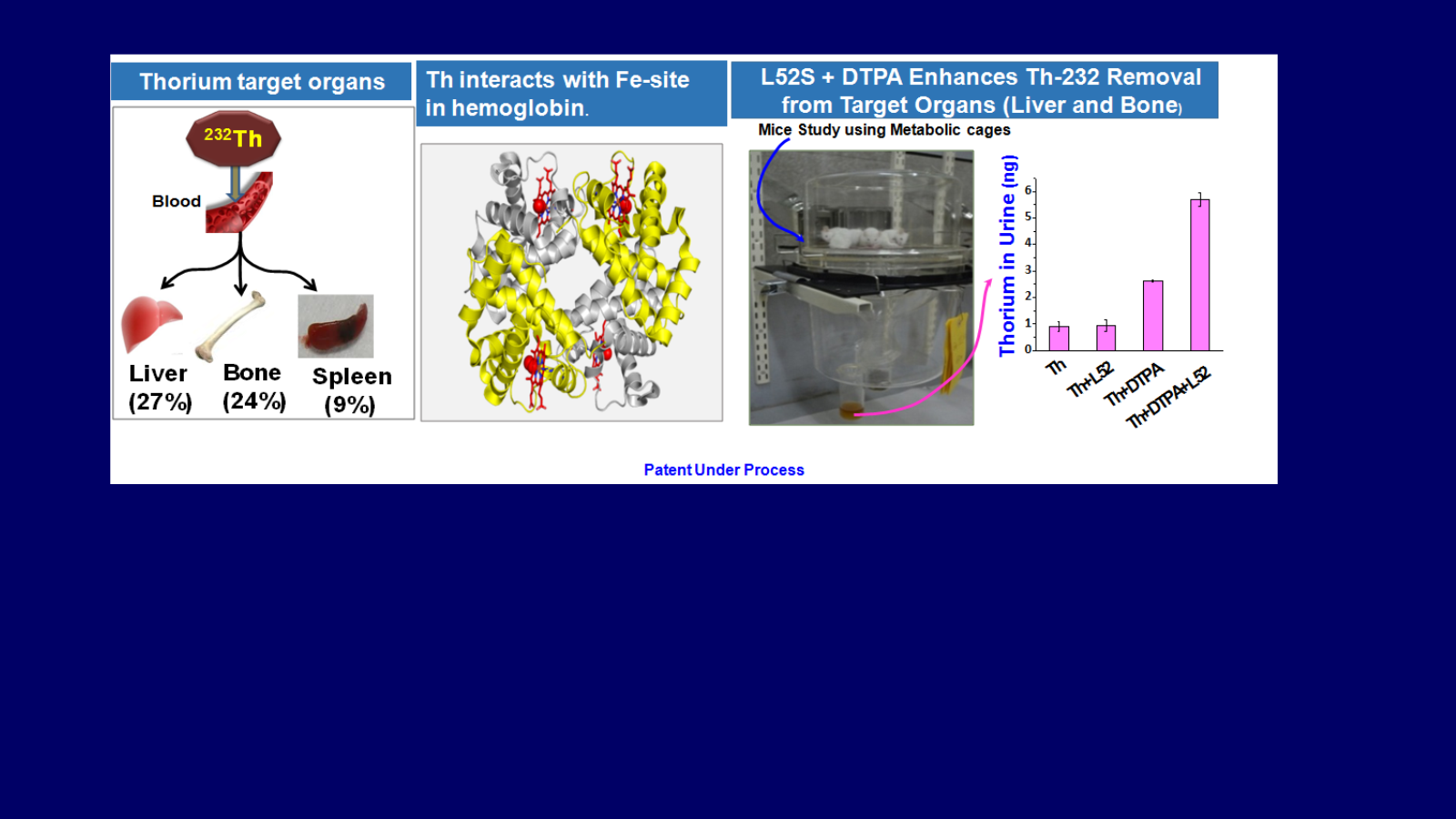
RBHSD: Basic Cancer Radiobiology & Mechanism of Radiotherapy
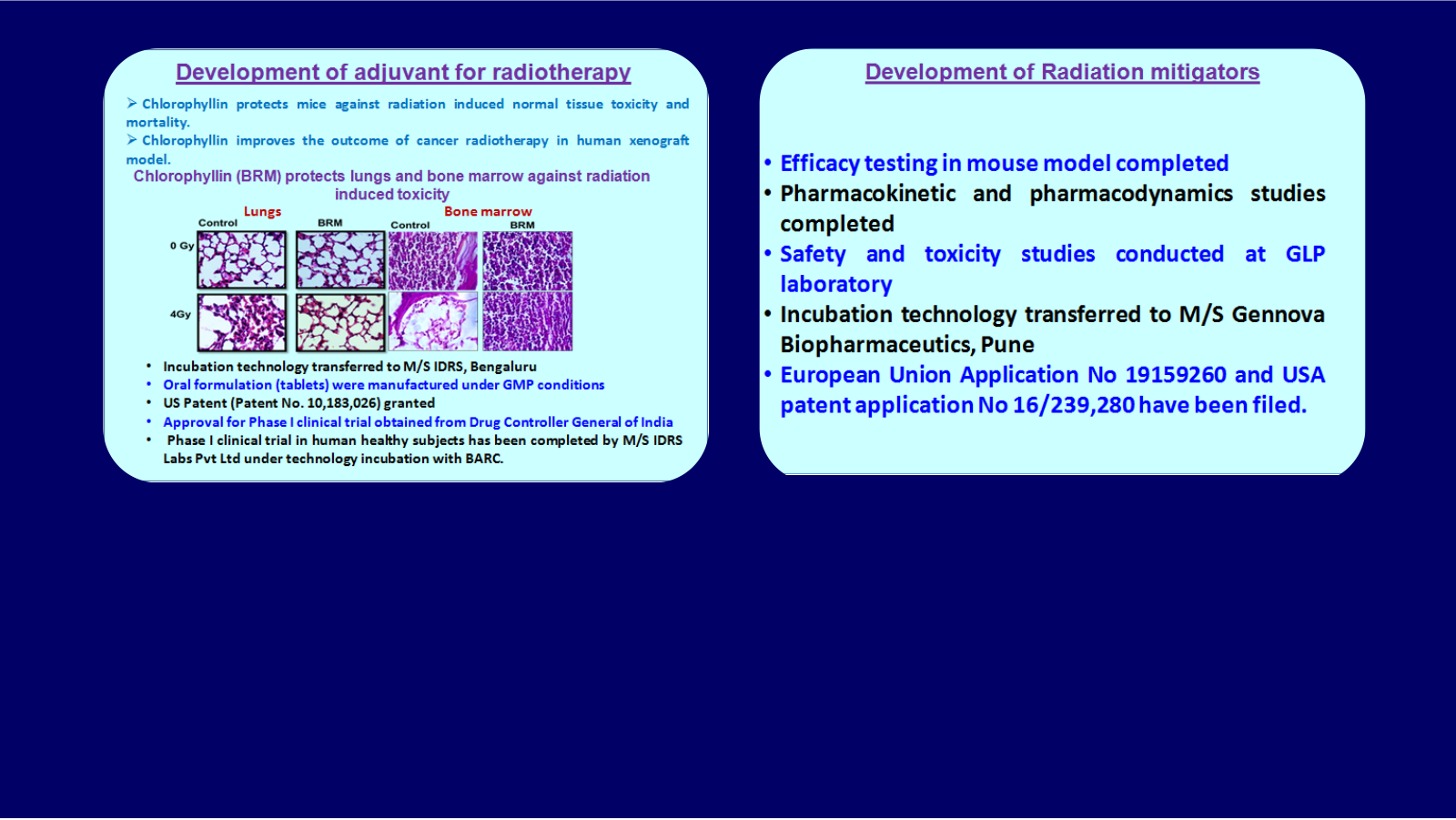
RBHSD: Effects of Chronic Low Dose Ionizing Radiation on Humans
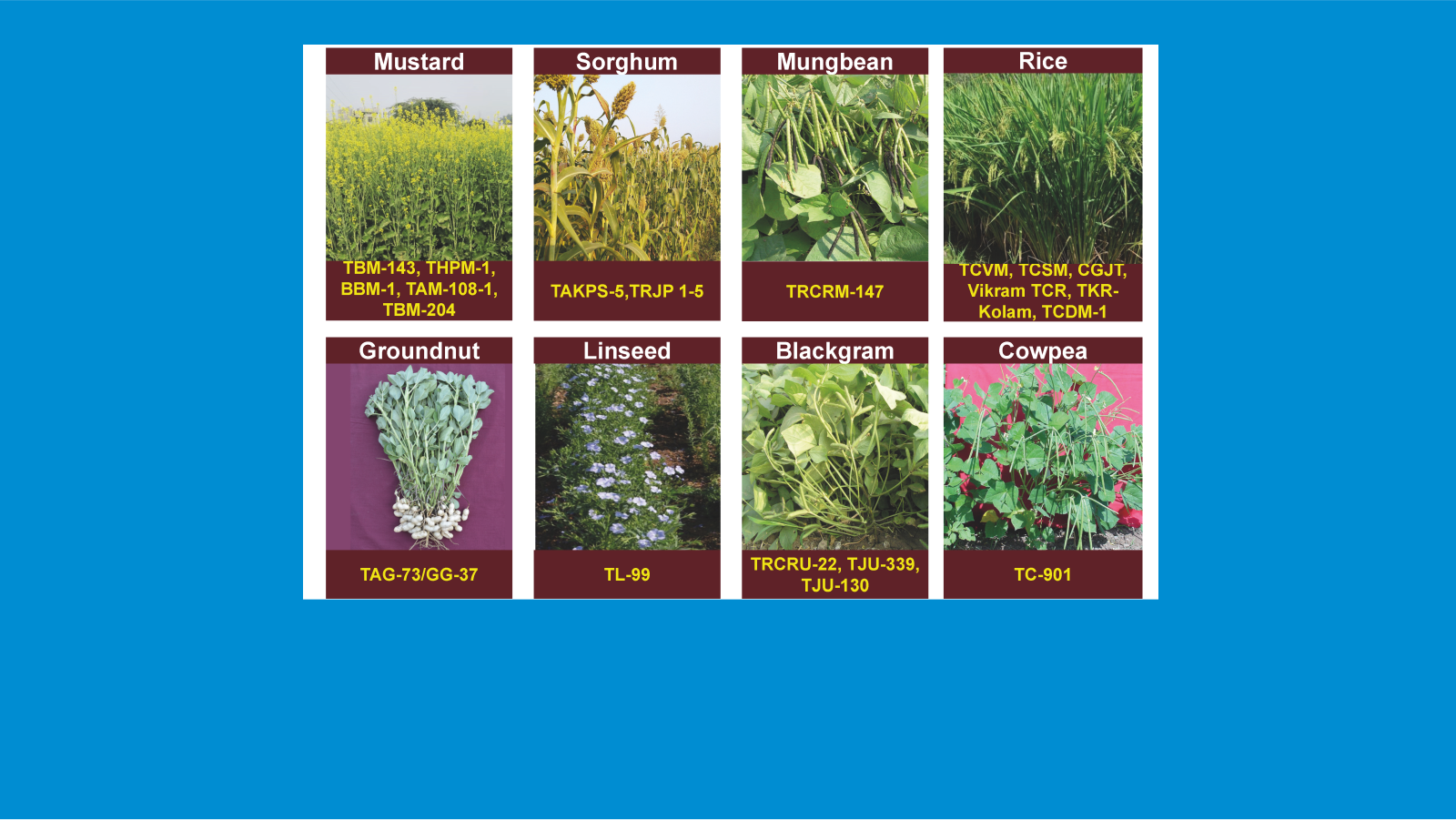
NABTD: Recent Trombay Varieties
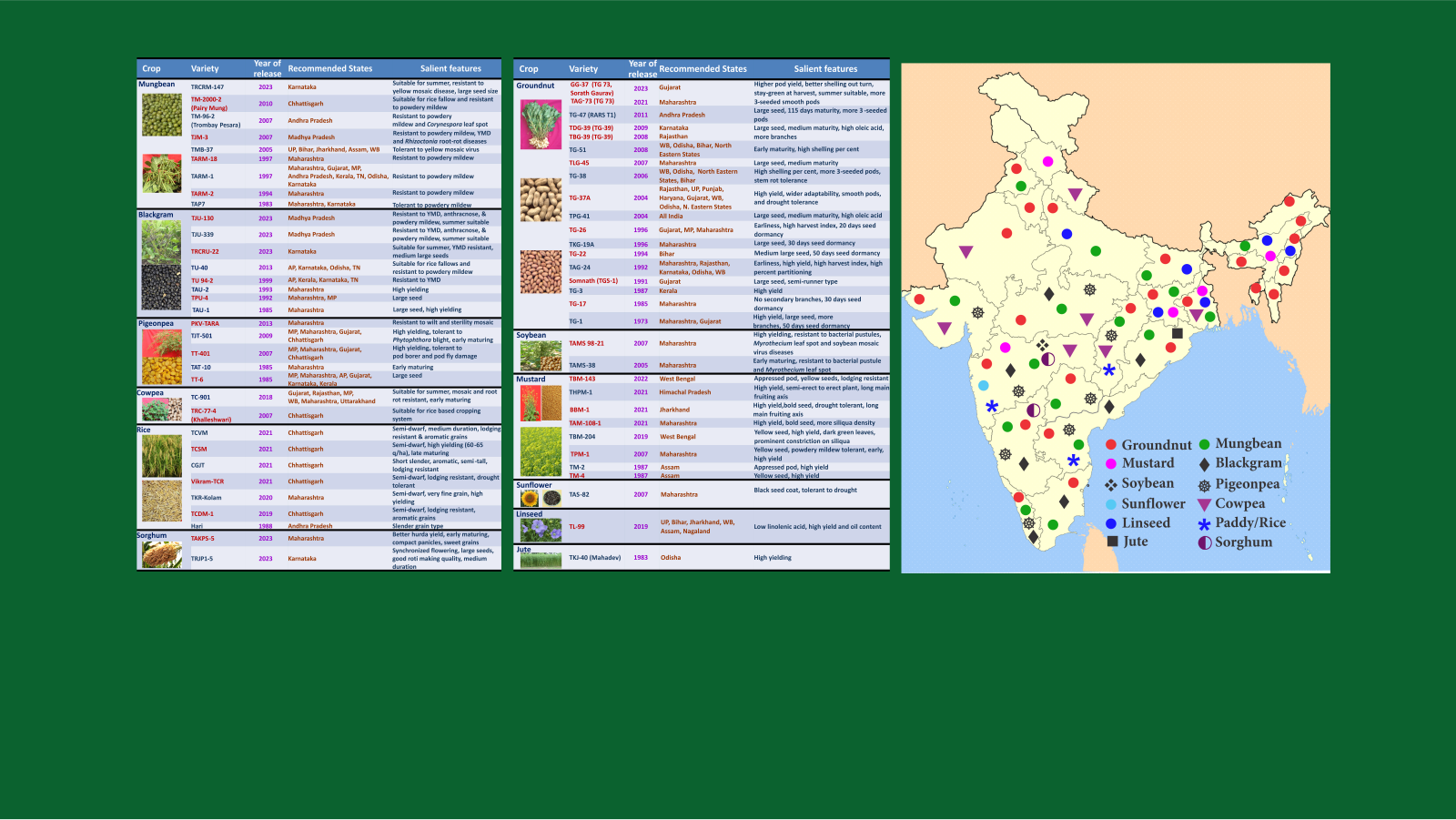
NABTD: Pan India release of Trombay varieties
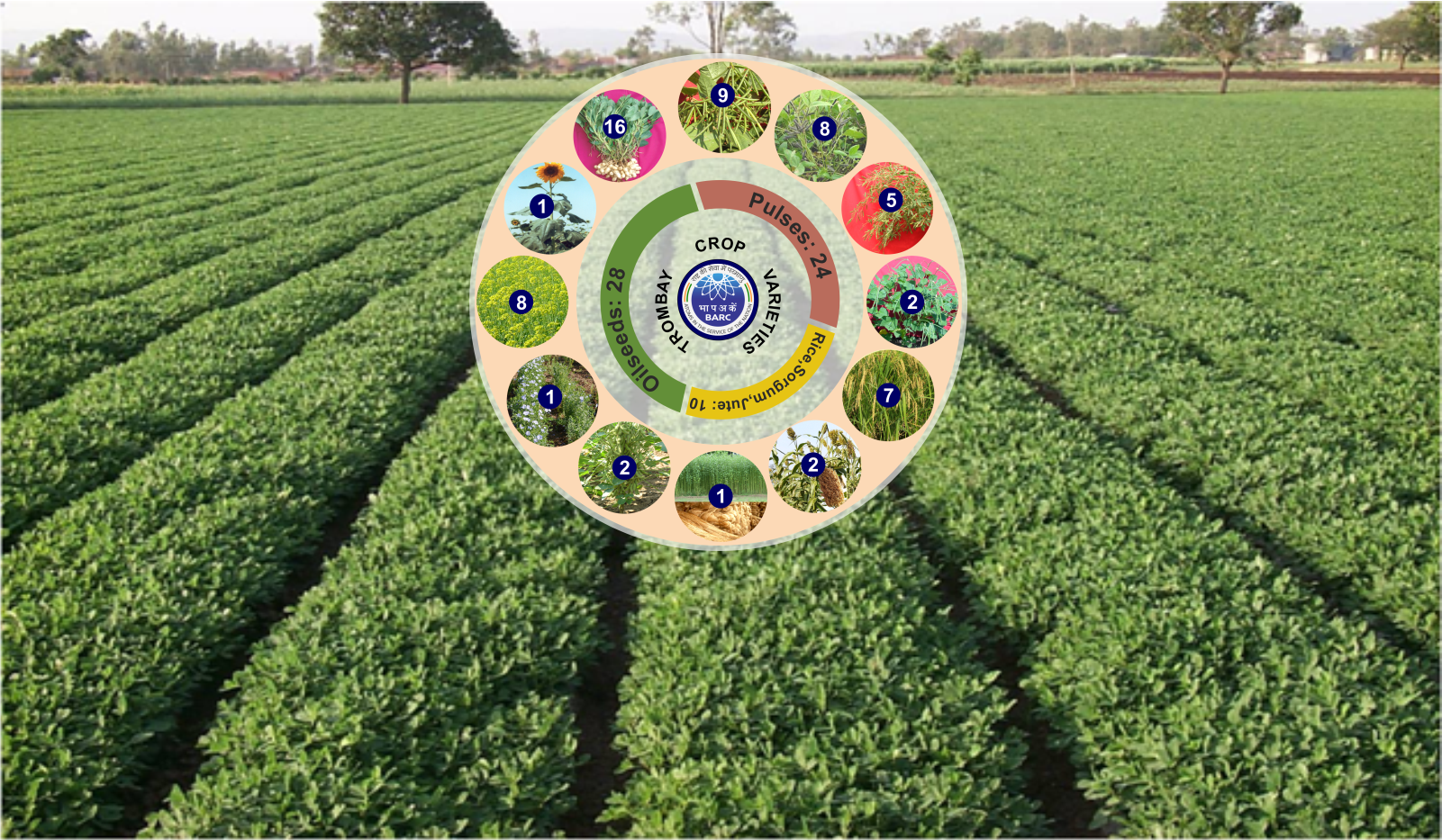
NABTD: 72 Trombay crop varieties released & Gazette notified
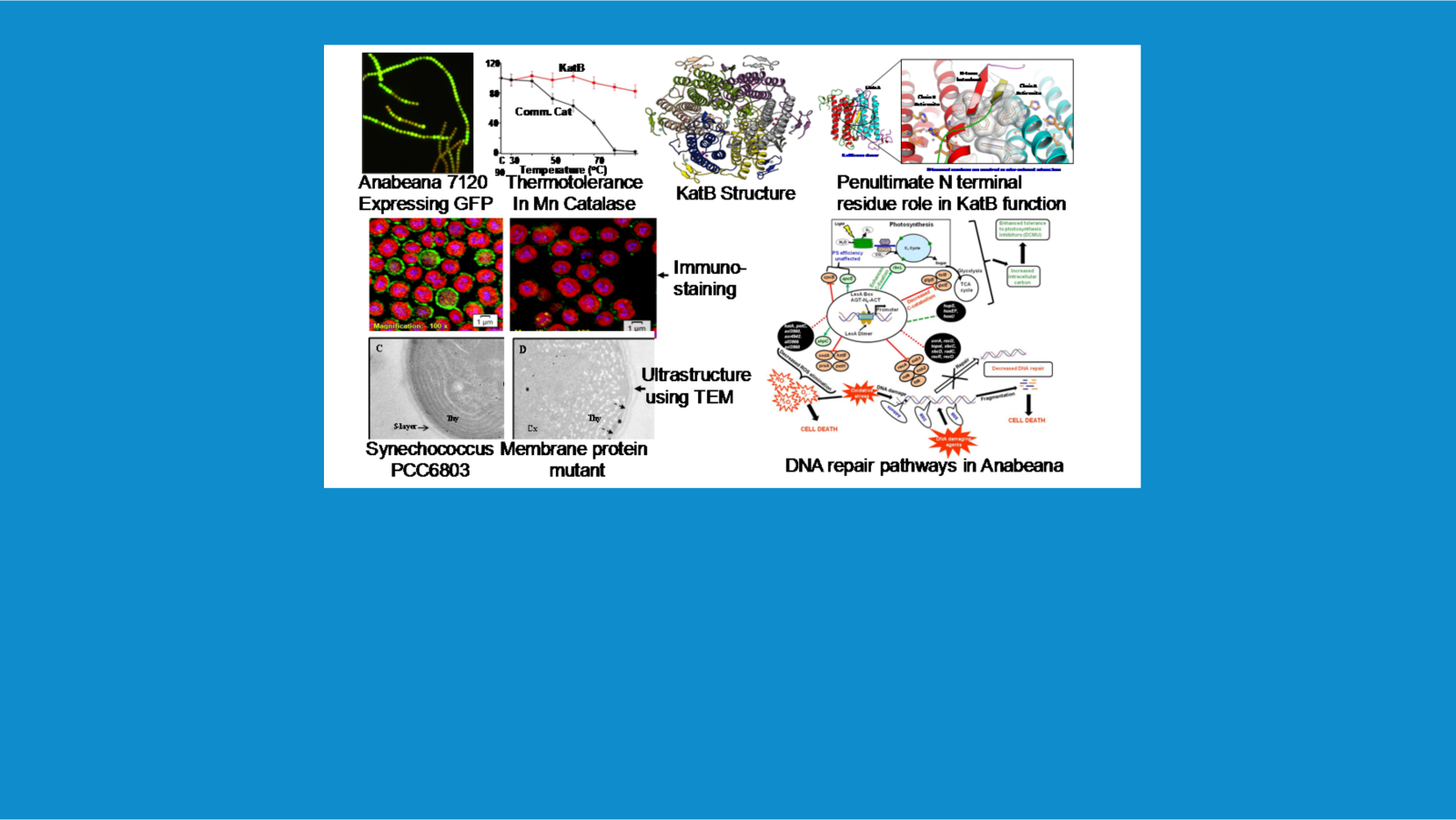
MBD: Molecular Diagnostics for Cancer and Viral Diseases
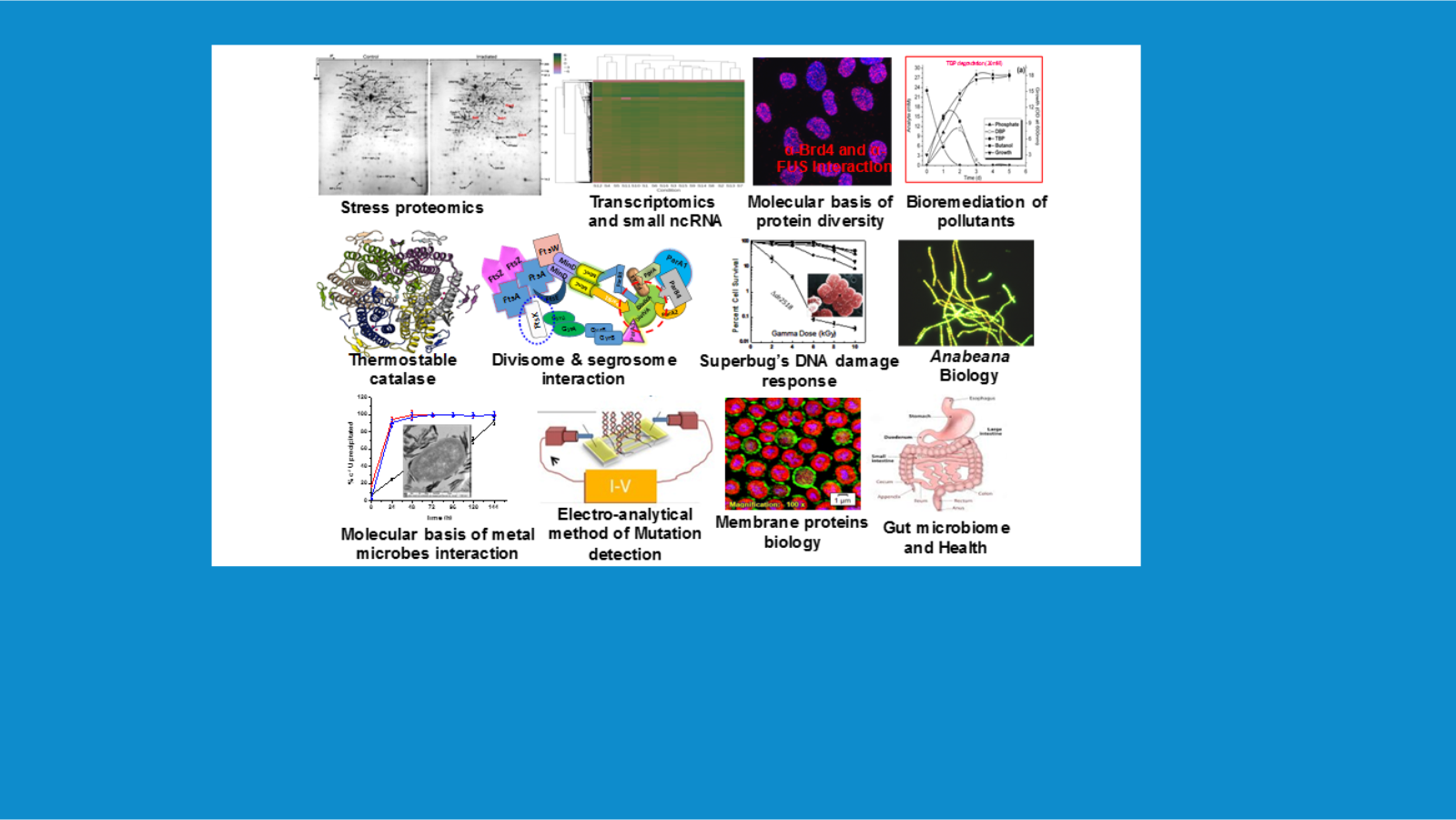
MBD: Molecular Basis of DNA Repair in radioresistant organisms
FTD: Shelf life extension of fresh vegetables and mushroom
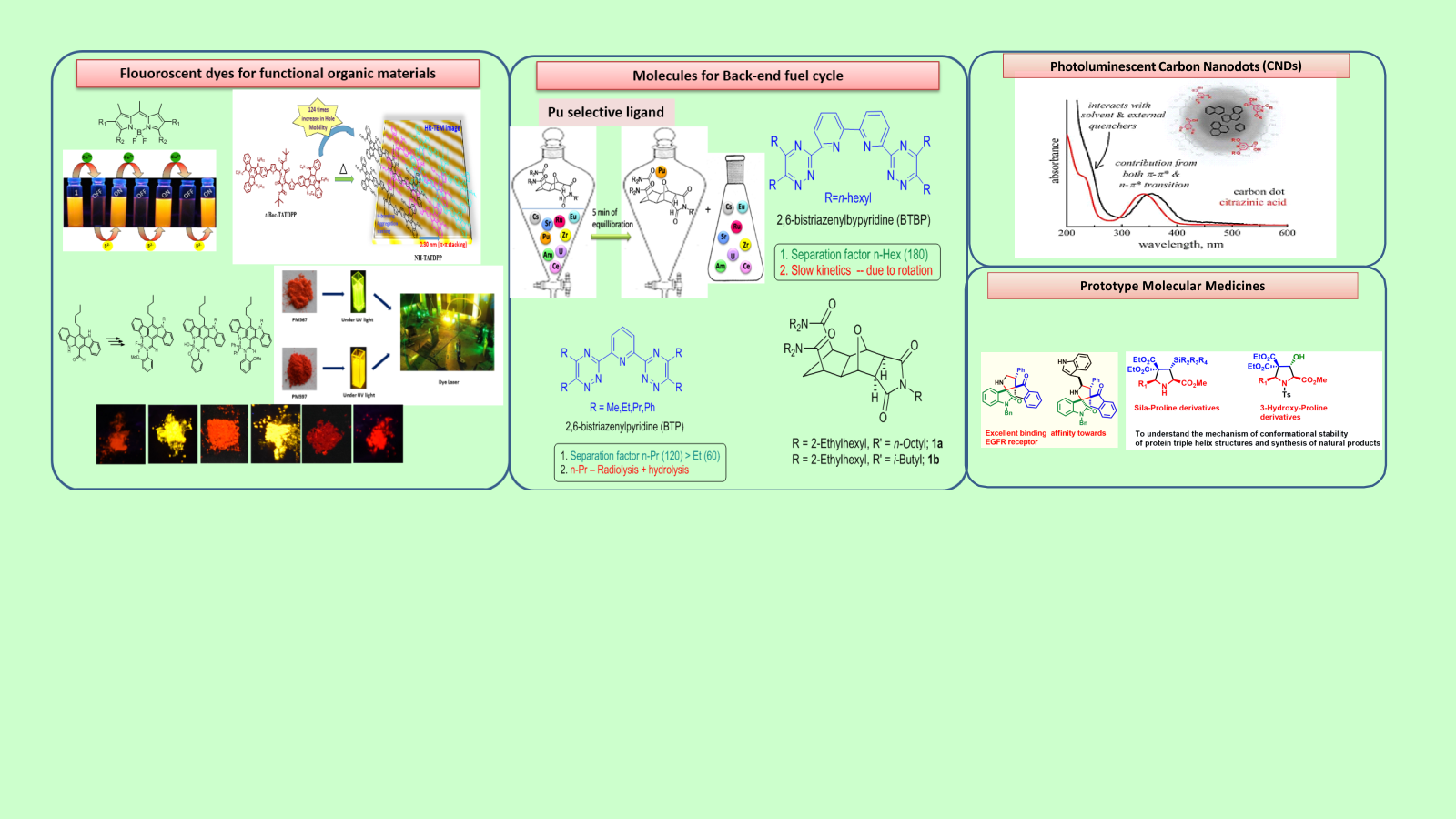
BOD: Radiopharmaceutical Ligands for Diagnosis and Therapy
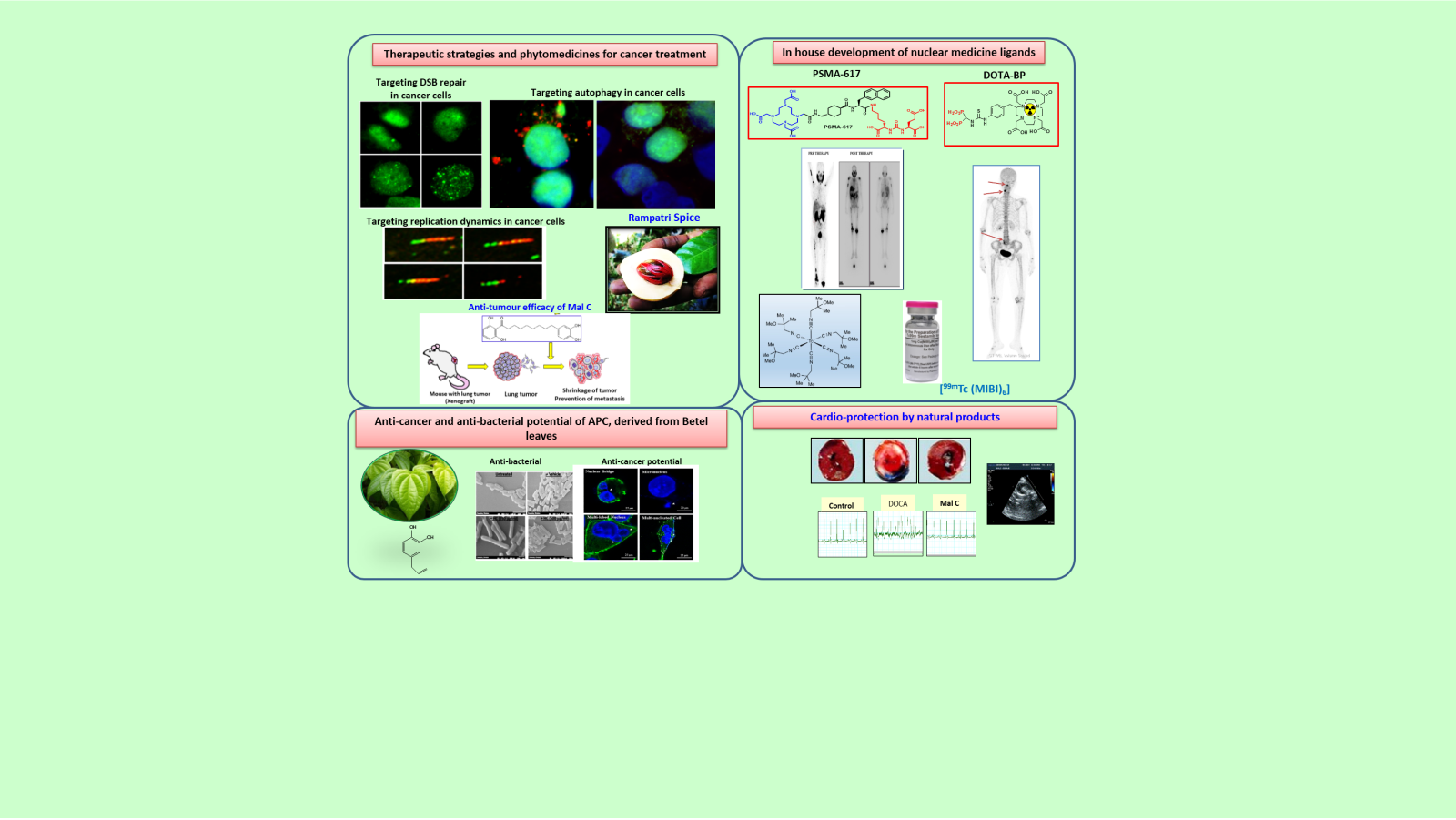
BOD: Adjuvants for Chemotherapy
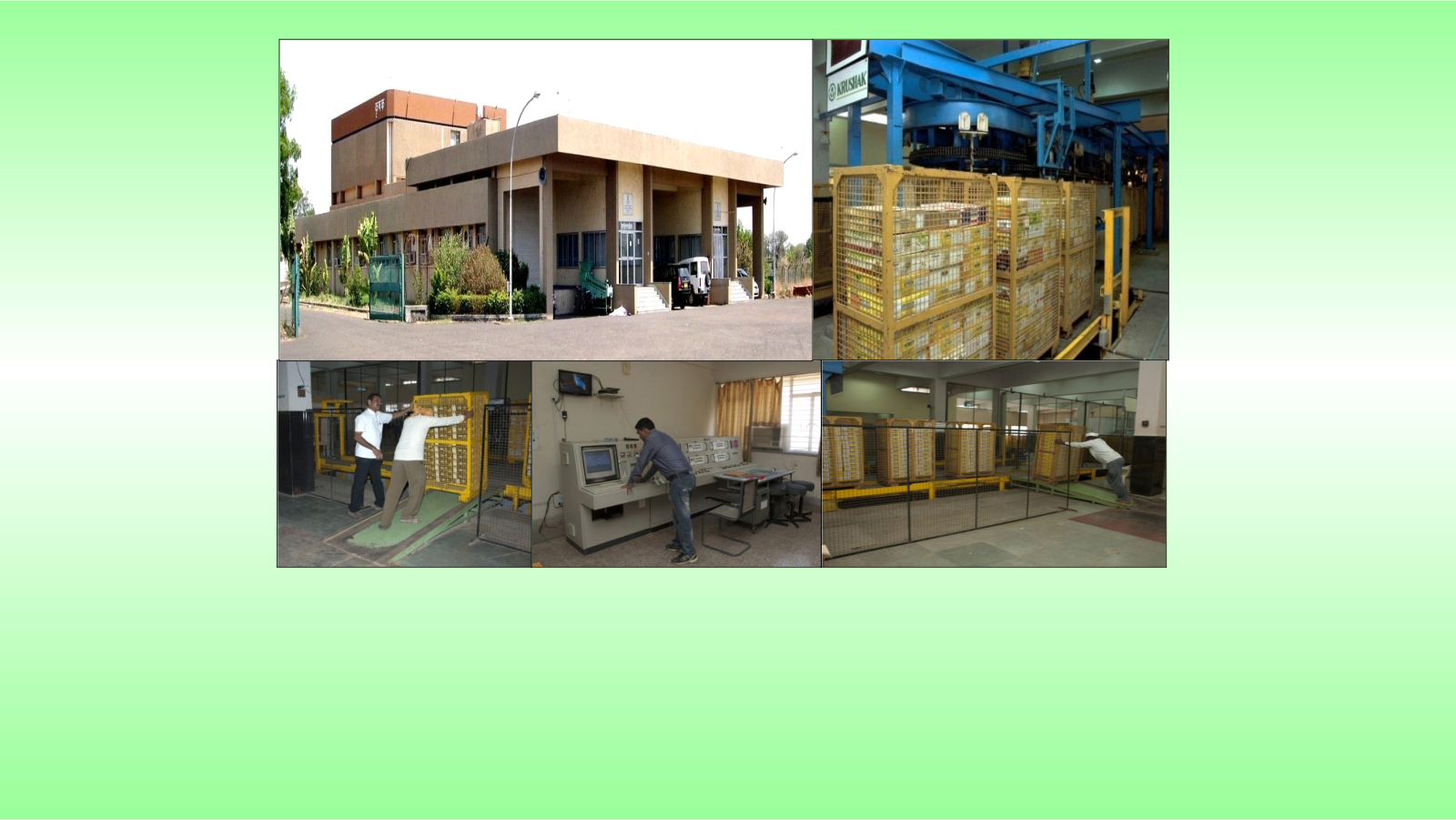
FTD: Commissioning of Cold Storage Facility at KRUSHAK, Lasalgaon
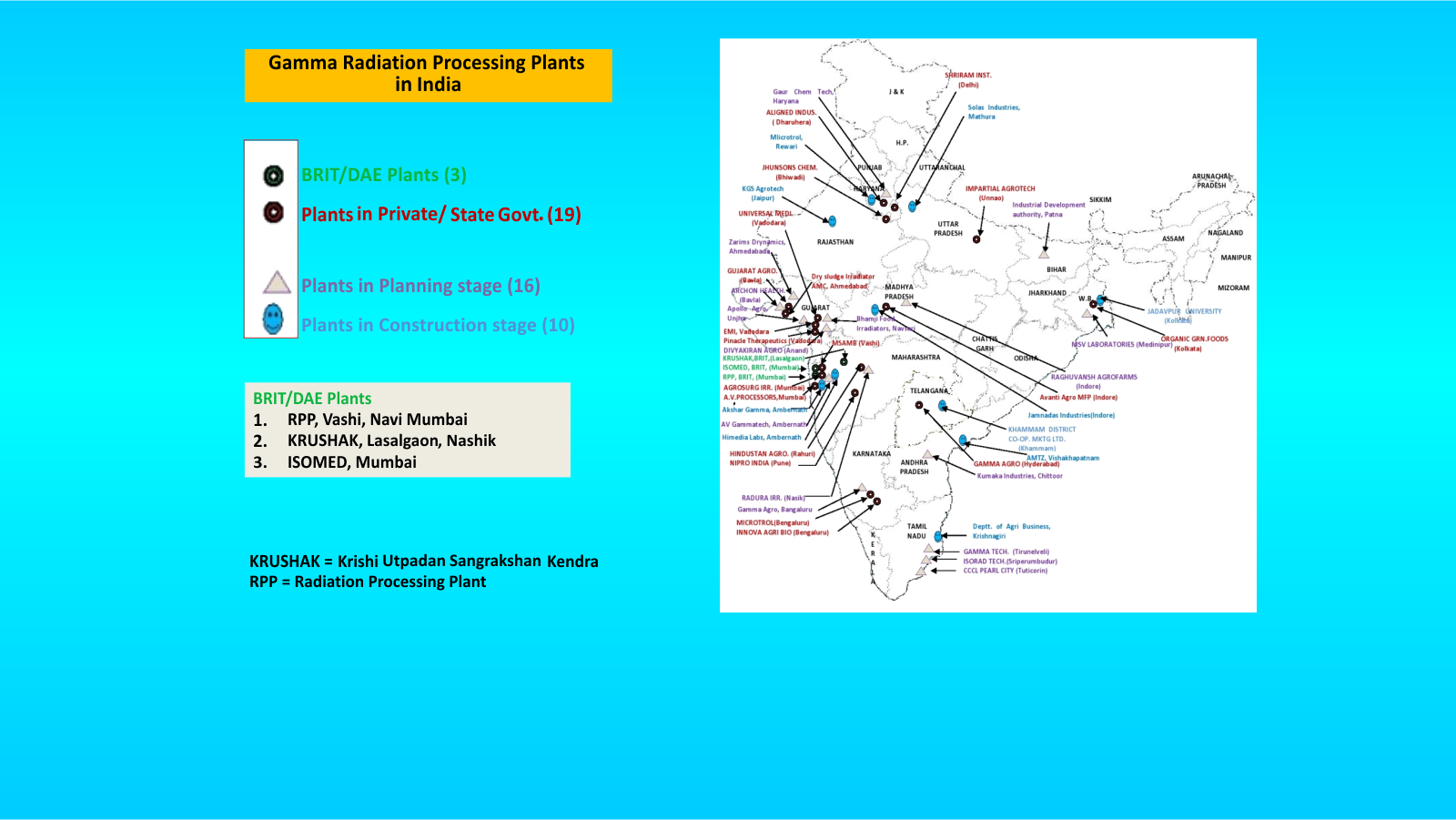
FTD: Food Irradiation Facilities Pan India